
Solar Panel Cleaning Clears Dust for Cleaner Energy Production
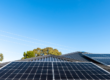
A homeowner in Spring, TX recently told us their electricity bill “felt higher than it should” even though they hadn’t changed anything inside. When we reviewed photos from the last few months, the pattern was obvious: the solar panels on the south-facing section were coated with a thin, even film—dust, pollen, and fine debris that settled during dry stretches. In the heat and humidity of the Gulf Coast, that buildup doesn’t always look dramatic. But it can quietly reduce how much sunlight reaches the cells.
That’s why solar panel cleaning matters. It’s not just about looks. When panels are dirty, the surface can scatter light and create hot spots that reduce overall output. For homeowners and property managers, routine cleaning is often the difference between “working fine” and “performing at its best.”
Quick Answer
Solar panels should be cleaned based on local conditions—usually every 3–6 months in the Houston-area environment, and sooner after heavy pollen seasons or storms. The safest approach is professional cleaning using soft methods and proper rinse control to avoid scratching panels or forcing water into places it shouldn’t go. If you notice reduced output, dusty haze, or irregular soiling patterns across the panel surface, it’s time to schedule a cleaning.
Why Clean Solar Panels Actually Improve Performance
Solar panels are designed to capture light and convert it into electricity. When a panel is covered with a layer of dust, pollen, soot, or mineral residue:
- Light transmission drops. A film of grime reduces the amount of usable sunlight hitting the photovoltaic cells.
- Soiling patterns can create uneven heating. Uneven residue can contribute to temperature differences across the panel surface.
- Rain may not fully solve the problem. Gulf Coast storms help, but they don’t always wash everything off—especially when dust or pollen has built up and then mixed with moisture.
From our experience maintaining Gulf Coast properties, we often see two “soiling styles”:
1. Fine, uniform haze—usually pollen and dust that settles over time.
2. Patchy buildup—often from wind-blown debris, nearby landscaping activity, or areas sheltered from rainfall.
A good cleaning plan addresses both, without damaging the glass or leaving behind residues.
What We Commonly See in Houston-Area Properties
In Spring and the greater Houston area, solar panels get “seasonal seasoning” that builds up between rainfall events:
- Pollen accumulation: Spring pollen can leave a fine coating that’s easy to miss until you see it in sunlight.
- Humidity-driven residue: Moisture can cause dust to stick more firmly, making panels look dull rather than visibly dirty.
- Wind and light debris: Even when it doesn’t look like much, fine particles can create a persistent layer.
- Hard water effects (when panels are DIY-cleaned): Some homeowners use tap water and leave mineral spots behind. Those spots can reduce clarity and performance.
Firsthand contractor observation
One thing we’ve learned the hard way: panels often “look clean” until you view them at an angle. The glass may look fine from the ground, but once the panel is rinsed and wiped with the right technique, the difference in surface clarity is immediate. That’s why we don’t rely on appearance alone—we look for the type of buildup that affects light transmission.
Solar Panel Cleaning the Right Way (Without Damaging the Panels)
Professional solar cleaning isn’t just “spray and scrub.” The safest process typically includes:
- A controlled rinse to remove loose particles first (so you’re not grinding debris into the glass).
- Gentle, non-abrasive cleaning methods designed to lift grime without scratching.
- Proper water handling so you don’t create pathways for moisture where it can cause issues.
- Attention to edges and mounting points, where debris can collect and where water behavior matters.
We also consider the surrounding exterior. If the roof or gutters are neglected, debris can continue to fall onto the panel surface after cleaning. For that reason, solar panel cleaning is often most effective when paired with broader exterior maintenance.
If you’re also dealing with roof streaking or roof algae, you may want to review roof cleaning strategies so you’re not cleaning panels while the same organic buildup keeps returning.
Soft Washing vs Pressure Washing for Solar Panels (and Related Surfaces)
Solar panels are different from siding and concrete. Pressure washing is sometimes used on hard surfaces, but panels require a gentler approach. Here’s a practical way to think about it:
| Method | Typical Use | Panel Suitability | Main Risk |
|---|---|---|---|
| Soft washing (low-pressure, chemical-assisted when appropriate) | Organic growth removal on exterior surfaces | Often used around panel areas (not usually to “scrub the glass”) | Using the wrong chemical or directing runoff improperly |
| Pressure washing (high-pressure water) | Hard surfaces like concrete, some masonry, some pavers | Generally not recommended for panel glass | Scratching glass, forcing water into unwanted areas |
| Rinse + gentle brushing/technique | Solar glass and delicate surfaces | Best practice | Leaving residue if minerals aren’t managed |
Even if you’ve seen videos online, remember that solar panels are engineered with delicate coatings and fine microstructures. The “strongest setting” is rarely the safest setting.
What Property Owners Often Overlook
Common mistake: DIY cleaning with the wrong tools and water
A lot of homeowners start with a garden hose and a household brush, or they use a high-pressure nozzle to “get it off faster.” The problems we see most frequently:
- Scratches from gritty debris (even tiny particles can act like sand if you scrub too hard).
- Mineral spotting from hard water, which can leave a haze that’s worse than the original dust.
- Water intrusion concerns around roof penetrations and mounting hardware when water is directed aggressively.
- Cleaning at the wrong time of day—working on hot panels can cause uneven drying and residue.
Another overlooked issue: people clean solar panels but ignore the surfaces around them. If your roof is producing recurring streaks or if gutters are clogged and overflowing, the pattern of buildup will return quickly. That’s where professional exterior maintenance makes a difference—especially if you’re trying to keep a system performing long-term.
If you’re also planning broader exterior cleaning, pairing solar panel cleaning with window cleaning for a clearer home exterior can make the whole property look sharper at the same time, especially before events or listing photos.
Maintenance Checklist: Keep Panels Producing Clean Energy
Here’s a practical checklist we recommend for Spring-area homeowners and property managers:
Every 3–6 months (typical)
- Inspect panels for visible haze, pollen film, or uneven patches
- Check for debris accumulation around panel edges
- Review solar output trends if you track production
After major events
- After storms with wind-blown debris
- After landscaping changes nearby
- After construction or roof work that could deposit dust
Seasonal prevention
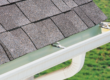
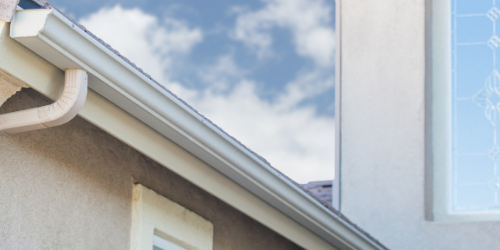
- Verify nearby gutters and roof drainage are functioning
- Trim shrubs or plants that shed pollen or leaves into the panel area
Surface protection recommendation
While panels don’t get “sealed” like some exterior materials, you can protect the overall system by keeping the roof and drainage clear. If roof and gutter maintenance are neglected, recurring debris will keep landing on the panels—meaning you’ll need more frequent cleanings.
If you’re looking to improve overall exterior cleanliness at the same time, our team can also support residential house washing services so algae and grime don’t keep spreading around the property.
A Realistic Example: When Cleaning Changed the Output Pattern
One anonymized residential situation we’ve handled involved a home where the homeowner noticed output dips during certain weeks. The panels were only a few years old and the system was “working,” but production didn’t match expectations.
After inspection, we found:
- a uniform dust/pollen layer across most of the panel surface,
- heavier buildup near areas that received less direct rainfall,
- and roof debris patterns that suggested gutter overflow during heavier rains.
The cleaning restored surface clarity, and the homeowner reported improved consistency in production over the following weeks. The key takeaway wasn’t that the system was failing—it was that the buildup pattern was limiting sunlight transmission and creating uneven soiling.
Spring/Houston-Area Relevance: Why Timing Matters Here
In Spring, TX, and across the Houston area, exterior surfaces don’t get “one season and done.” The mix of humidity, pollen, and intermittent heavy rain means dirt doesn’t always wash away when you’d expect. Instead, it can form a thin coating that dulls the glass.
We typically plan solar cleaning around:
- pollen intensity (often earlier in the year),
- dry stretches where dust settles,
- and storm cycles that bring wind-driven debris.
That local timing is why a “set it and forget it” schedule from another region may not match your reality. In the Gulf Coast climate, staying consistent often matters more than going extra-aggressive.
Quick Guide: When to Schedule Solar Panel Cleaning
You don’t always need a visible problem. Consider scheduling if:
- your solar app shows repeated underperformance on comparable weather days
- you see dull or hazy panel surfaces
- output drops coincide with pollen seasons or long dry periods
- nearby trees shed leaves or flowers onto the roofline
If you manage a commercial property—especially with higher roof traffic and more environmental exposure—cleaning becomes even more important for maintaining predictable production.
Optional: How Solar Panel Care Fits Into Full Exterior Maintenance
Solar panels don’t exist in isolation. Keeping them clean is easier when the rest of the exterior is maintained. In many properties, we see a chain reaction:
- clogged gutters and roof debris lead to repeated contamination,
- neglected roof surfaces can increase organic material in the surrounding area,
- and dirty walkways/entry areas reduce the overall “professional” impression.
For commercial buildings and multi-property sites, exterior cleaning is part of a broader maintenance plan. If your property also needs parking lot upkeep, we can help coordinate appearance-focused maintenance too—like parking lot cleaning and maintenance services—so the site stays clean and safe while the solar system stays productive.
Spring Mistakes That Cost Time and Money
Beyond DIY tool problems, there are a few predictable maintenance oversights that we see often:
1. Cleaning too infrequently and waiting for heavy buildup
2. Using high-pressure methods near delicate areas
3. Ignoring the roof/gutter system and repeating the same contamination cycle
4. Cleaning only the panels while organic growth continues elsewhere on the roofline
The fix is usually not complicated—just coordinated. When cleaning is paired with preventative exterior management, you reduce how often you need to “catch up.”
Exterior Maintenance Checklist (Use This Before You Schedule Anything)
If you’re planning a property appearance push, use this quick checklist:
- [ ] Are gutters flowing properly, or do you see overflow during rain?
- [ ] Is the roofline producing recurring streaks or buildup?
- [ ] Are walkways and entry surfaces slippery or visibly stained?
- [ ] Is solar output tracking consistent with weather patterns?
- [ ] Do you have debris sources (trees, landscaping, nearby construction)?
This is also a good way to identify whether you need just panel cleaning or broader exterior cleaning support.
References & Industry Context
- The U.S. Department of Energy notes that soiling can reduce photovoltaic performance and that cleaning effectiveness depends on local conditions and the type of soiling. (U.S. DOE, PV performance resources)
- The National Renewable Energy Laboratory (NREL) has published research on PV soiling and how accumulation varies by region and environmental conditions. (NREL PV soiling studies)
- Industry guidance commonly emphasizes gentle cleaning practices and avoiding abrasive methods on PV glass to prevent micro-scratches and coating damage. (PV operations & maintenance guidance from research and industry organizations)
FAQ
How often should I clean my solar panels in Spring, TX?
Most properties do well with cleaning every 3–6 months, especially during pollen-heavy periods or after long dry stretches. If your panels sit near trees, landscaping, or areas that get frequent wind-blown dust, you may need it closer to every 3–4 months. If output drops but panels don’t look extremely dirty, a professional inspection can help confirm whether soiling is affecting performance.
Is soft washing safer than pressure washing for solar panels?
For the panels themselves, pressure washing is usually riskier due to potential scratching and water intrusion. Soft washing is generally more appropriate for nearby exterior surfaces that have organic growth. For PV glass, the best approach is typically a controlled rinse and gentle cleaning technique designed for delicate surfaces.
What’s the biggest reason DIY solar cleaning doesn’t work?
Two common issues: (1) scrubbing gritty residue without a proper rinse first, which can scratch the glass, and (2) leaving mineral spots from hard water. Both can reduce clarity and don’t solve the problem as effectively as a properly managed cleaning process.
Can dirty panels affect more than energy production?
Yes. While the main concern is reduced output, soiling can also contribute to uneven heating across the panel surface if buildup patterns form. That’s one reason coordinated maintenance—like keeping roofline and drainage systems functioning—helps keep both performance and long-term care on track.
Ready to Protect or Improve Your Property’s Appearance?
If you’re seeing output dips, dull panel surfaces, or recurring buildup after storms, Jade Exterior Services can help with professional solar panel cleaning and coordinated exterior maintenance so your system stays cleaner and performs more predictably.
About Jade Exterior Services
Jade Exterior Services provides pressure washing, exterior cleaning, roof cleaning, gutter cleaning, window cleaning, solar panel cleaning, and commercial property maintenance throughout Spring, TX and the greater Houston area. Our focus is on long-term surface protection, safer cleaning methods, and helping homeowners and businesses maintain a cleaner, more professional-looking exterior year-round.