
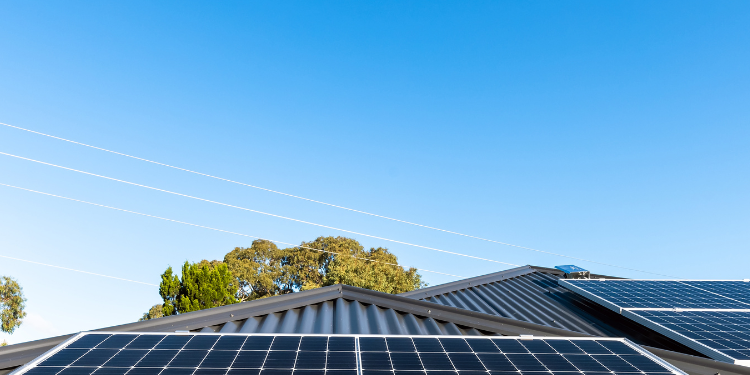
Solar Panel Cleaning Tips for Maximum Sunlight Efficiency
On a clear, hot afternoon in Spring, TX, your solar array should be quietly cranking out electricity. Yet many homeowners and businesses are surprised when their production graphs dip during the sunniest months. One of the most common culprits in our area? A stubborn layer of dust, pollen, and grime baked onto the panels by weeks of Texas sun.
Studies from the National Renewable Energy Laboratory show that dirty solar panels can lose 10–25% of their energy output, and in dusty or high-pollen regions it can be even higher. In the greater Houston and Spring area, where tree pollen, humidity, and frequent construction dust are part of daily life, keeping solar panels clean is not just a cosmetic issue—it’s a performance and ROI issue.
This guide walks through proven, practical solar panel cleaning tips tailored to Spring, TX property owners. You’ll learn how often to clean, what tools and methods to use, what to avoid, and when it makes sense to bring in a professional solar panel cleaning team like Jade Exterior Services to protect both your panels and your warranty.
Key Insight: Clean solar panels don’t just look better—they produce more energy, last longer, and protect your investment, especially in a high-pollen, high-humidity climate like Spring, TX.
Why Solar Panels in Spring, TX Get Dirty Faster Than You Think
Solar panels are designed to sit still and take whatever the weather throws at them. That also means they’re magnets for whatever’s in the air. In Spring, TX and the greater Houston area, that “whatever” is a long list: oak and pine pollen, dust from ongoing development, mold spores, bird droppings, and soot from traffic on I-45 and FM 2920.
“Panel soiling is one of the most under-estimated causes of performance loss in rooftop solar systems.” — Industry Field Study, PV Performance Labs
Local conditions that speed up buildup
Several local environmental factors make regular cleaning especially important here:
- High pollen seasons: In spring, panels can turn yellow-green almost overnight.
- Humidity and dew: Moisture helps dust and pollen stick, then bake on under the sun.
- Nearby trees: Shade trees mean more leaves, sap, and bird activity on roofs.
- Construction growth: Ongoing building around Spring and The Woodlands adds fine dust to the air.
We recently visited a homeowner off Kuykendahl Road who had seen a 15–20% drop in solar production over six months. The panels looked only “lightly dusty” from the ground. Once we accessed the roof, we found a film of pollen, mildew along the panel frames, and several spots of caked bird droppings. After a professional cleaning, their monitoring app showed output back to normal within 24 hours.
Because your solar system is just one part of your building’s exterior, many property owners in Spring combine solar panel service with other exterior cleaning services like roof washing or window cleaning. That approach minimizes ladder trips and keeps the whole envelope performing well.
How Dirt, Pollen, and Grime Steal Your Solar Efficiency
Solar panels work by converting sunlight into electricity. Anything that blocks or scatters that light—dust, pollen, bird droppings, or even a thin film of pollution—acts like putting sunglasses on your array.
What actually happens on a dirty panel
- Reduced light transmission: Even a light haze can scatter sunlight before it reaches the cells.
- Hot spots: Thick grime or droppings create shaded sections that heat up, stressing the panel.
- Uneven wear: Dirty edges and corners can accelerate frame corrosion and sealant breakdown.
- Drainage issues: Debris along the bottom edge traps water, encouraging algae and mold.
A commercial client near Rayford Road with a 50 kW rooftop system called us after noticing their power bills creeping up. Their monitoring data showed a steady 12–15% output loss compared to the previous year. Once we cleaned their panels and also performed parking lot cleaning and maintenance services to reduce dust kicked up by vehicles, their production nearly matched the original performance benchmarks.
“Even light soiling can cause disproportionate power loss in PV modules, especially in humid climates.” — Solar Energy Journal
Why “rain will clean them” doesn’t work here
Rain helps, but it’s not a full solution—especially in our climate:
- Pollen turns into a sticky paste when wet.
- Dust mixes with pollution and minerals in rainwater, leaving streaks.
- Bird droppings and sap are rarely washed off by a normal shower.
- After a storm, wind can actually deposit more debris than it removes.
That’s why many local property owners now schedule professional professional exterior property cleaning that includes solar panels at least once or twice a year, similar to routine HVAC maintenance.
Safe Solar Panel Cleaning Methods vs. Common Mistakes
Solar panels are tough enough to survive hailstorms, but their glass coatings, wiring, and mounting hardware are more sensitive than they look. The way you clean them matters as much as how often you do it.
Traditional DIY vs. Professional Methods
Here’s a quick comparison of common approaches we see in Spring, TX:
| Approach | Method Description | Pros | Cons / Risks | Best For |
|---|---|---|---|---|
| DIY garden hose | Rinse panels from ground/ladder | Easy, cheap, better than nothing | Hard water spots, no scrubbing power, safety risks on ladders | Light dust only |
| Pressure washer (improper use) | High PSI aimed at panels | Strong cleaning power | Can damage seals, wiring, void warranty, crack glass | Never recommended |
| Soft brush + hose | Gentle brushing with mild detergent | Better cleaning, low cost | Risk of scratching if wrong brush; roof safety issues | Small, accessible arrays |
| Professional soft wash (deionized) | Purified water, low pressure, soft brushes | Thorough, streak-free, warranty-safe | Requires trained technicians, specialized equipment | Residential & commercial systems |
| Full exterior service visit | Bundled with roof, house washing services, windows | Efficient, cost-effective, one visit | Needs coordination, may require property access | Annual maintenance plans |
A homeowner in the Gosling Road area tried to clean their panels with a rented pressure washer after watching a short online video. The high-pressure stream forced water under the panel frame and into a junction box. Within days, a section of their array failed, and the manufacturer flagged “improper cleaning” as a likely cause—putting the warranty at risk. We were able to help them address the damage, but the repair cost far exceeded what a professional cleaning would have been.
“High-pressure cleaning can compromise seals and accelerate moisture ingress in PV modules.” — Manufacturer Technical Bulletin
Key safety and equipment points
- Use low pressure only—similar to what you’d use for a delicate soft wash house washing company approach.
- Soft, non-abrasive brushes designed for solar glass or windows are essential.
- Avoid harsh chemicals, solvents, or abrasive pads.
- Work during cooler parts of the day to reduce thermal shock and streaking.
- Always think roof and ladder safety first—panels aren’t worth an injury.
How Often Should You Clean Solar Panels in Spring, TX?
The right cleaning schedule depends on your specific property: roof pitch, nearby trees, air quality, and how visible your panels are from the ground. In the Spring and North Houston area, conditions tend to demand more frequent attention than in drier climates.
General guidelines for our region
Most manufacturers suggest inspecting and cleaning panels at least annually. In our climate, we typically recommend:
- Residential homes in suburban neighborhoods: 1–2 cleanings per year.
- Homes near heavy tree cover or construction: 2–3 cleanings per year.
- Commercial buildings near busy roads or industrial areas: Quarterly inspections and 2–4 cleanings per year.
One commercial client near a busy shopping center had chronic dust issues from a nearby construction site. By pairing a quarterly professional pressure washing company visit for their storefront and walkways with solar cleaning, they kept both their curb appeal and their energy production high without repeatedly scheduling separate services.
Signs your panels need cleaning now
You don’t need specialized tools to spot trouble:
- Visible haze, streaks, or yellow/green tint on panels
- Bird droppings that don’t wash off after a rain
- Notable drops in production on clear days compared to similar days last year
- Obvious debris at the bottom edge of panels where water drains
If your property already uses a full service exterior cleaning contractor for siding, driveways, or parking areas, it often makes sense to align your solar panel schedule with those visits. That reduces disruption and can be more cost-effective.
“Regular inspection and cleaning should be part of every PV system’s maintenance plan, especially in high-pollen or dusty regions.” — NABCEP-Certified PV Installer
DIY Solar Panel Cleaning vs. Hiring a Professional in Spring, TX
Many homeowners and facility managers ask whether they can safely clean their own panels or if they should call a pro. The answer depends on access, comfort with heights, and how much risk you’re willing to take with a significant electrical investment.
Cost, risk, and benefit comparison
Here’s a practical comparison tailored to the Spring, TX market:
| Factor | DIY Cleaning | Professional Cleaning (Local) |
|---|---|---|
| Typical Cost (residential, Spring) | Low out-of-pocket (supplies only) | Moderate, often bundled with other services |
| Safety | Higher risk (ladders, roof) | Trained technicians, safety gear, insured |
| Quality of Clean | Varies, risk of streaks or missed spots | Consistent, streak-free, deionized water systems |
| Warranty Protection | Possible issues if wrong method used | Methods aligned with manufacturer guidelines |
| Added Services | None | Can combine with window cleaning, roof, gutters, etc. |
A small business owner in Old Town Spring tried DIY cleaning on their storefront’s rooftop solar array. After two weekends of careful but slow work and still seeing streaks in the morning sun, they reached out to Jade Exterior Services. Our team completed a full solar panel clean, plus sidewalk and walkway cleaning and storefront windows, in one afternoon. Their feedback: “I should have called you first—I lost two weekends and still didn’t get the results you did.”
When DIY might be reasonable
DIY can make sense if:
- Your panels are ground-mounted and easily accessible.
- The roof is low-slope and single-story with safe access.
- You use appropriate tools and follow manufacturer guidance.
- You’re comfortable working outside in our heat and humidity.
For most rooftop systems—especially on two-story homes, steep roofs, or commercial buildings—hiring a professional residential exterior cleaning company or commercial service is the safer and more effective option.
Integrating Solar Cleaning into Whole-Property Maintenance
Solar panels don’t exist in isolation. The same environmental factors that dirty your array are also affecting your roof, siding, windows, and paved areas. Coordinating these services can extend the life of your entire exterior and reduce overall maintenance costs.
Why a whole-property strategy works better
- Less dust and debris overall: Clean roofs, gutters, and parking lots mean less material blowing back onto your panels.
- Safer roofs: Removing mold and algae with proper roof cleaning improves traction and protects shingles and mounts.
- Better drainage: Clean gutters prevent overflow that can splash dirty water onto lower panels or windows.
- Improved aesthetics: Clean panels look more professional on commercial buildings and high-end homes.
One commercial client with a large lot off FM 2920 saw recurring panel soiling traced back to dusty, deteriorating pavement markings and debris in their parking lot. By partnering with a commercial parking lot striping company and scheduling regular asphalt parking lot repair and maintenance along with panel cleaning, they significantly reduced dust levels around the building and saw more stable solar output between cleanings.
“Coordinated exterior maintenance is usually more cost-effective than piecemeal services done on different schedules.” — Facilities Management Best Practices Guide
Example bundle for a Spring, TX home
A typical annual maintenance plan for a Spring homeowner with solar might include:
- Soft wash roof cleaning
- Exterior residential home washing services for siding and brick
- Gutter cleaning and minor downspout checks
- Solar panel cleaning
- Window and exterior glass cleaning
- Driveway and walkway pressure washing
By working with a single full service parking lot maintenance contractor or exterior cleaning provider, you simplify scheduling, reduce trips up and down ladders, and ensure all components are cared for with compatible methods and detergents.
What This Means for Businesses in Spring, TX
For commercial property owners and managers in Spring, TX, solar panels are not just a green statement—they’re a financial asset. Every percentage point of lost efficiency translates into higher operating costs and a longer payback period on your solar investment.
In a competitive local market, especially along commercial corridors like I-45, FM 2920, and The Woodlands area, tenants and customers notice which properties are clean, well-maintained, and forward-thinking. Visible, clean solar panels on a spotless roof and facade send a clear message about your brand and your standards.
Regular solar panel cleaning can:
- Reduce your utility expenses by recovering lost output.
- Help protect your system’s warranty by following manufacturer care guidelines.
- Support ESG and sustainability reporting with verifiable performance data.
- Prevent long-term damage from corrosive bird droppings and trapped moisture.
- Coordinate with other parking lot cleaning and maintenance services to reduce airborne dust.
Many local businesses already invest in parking lot striping services, façade cleaning, and regular landscaping. Adding scheduled solar panel maintenance is a relatively small incremental cost that supports those same priorities: safety, appearance, and operational efficiency.
Because Spring and the greater Houston area also face frequent storms and intense sun, a proactive maintenance approach helps catch minor issues—like loose mounts, debris buildup, or drainage problems—before they affect your roof or your solar system. Partnering with a trusted commercial building exterior cleaning provider that understands both roofing and solar means you’re not leaving this critical asset to chance.
Frequently Asked Questions
Q: How much extra energy can I gain by cleaning my solar panels in Spring, TX?
A: The exact gain varies, but field studies and our own local experience show that dirty panels in the Spring/Houston area often lose 10–25% of their potential output. Properties near busy roads, unpaved lots, or heavy tree cover can see even higher losses. After a professional cleaning, many homeowners notice an immediate bump in their monitoring app. For commercial systems, the recovered energy can make a measurable difference in operating costs. When combined with other exterior cleaning services, the overall efficiency of your building envelope improves as well.
Q: Will pressure washing void my solar panel warranty?
A: Many manufacturers explicitly warn against using high-pressure equipment directly on solar panels because of the risk to seals, glass, and wiring. Improper use of pressure washing services can force water into junction boxes or under frames, leading to failures that may not be covered by warranty. A professional solar panel cleaning service uses low-pressure, soft-wash methods and deionized water to stay within manufacturer guidelines. Always check your warranty documentation and choose a contractor who understands both roofing and PV system requirements.
Q: How do I know if my panels are dirty enough to need professional cleaning?
A: Visual inspection from the ground can be tricky, but there are a few signs. If you see a dull haze, yellowish film, or obvious droppings and debris on the glass, it’s time to clean. Another clue is your production data: if energy output on clear days is noticeably lower than in previous seasons—after accounting for daylight hours—soiling is a likely cause. During a visit, a professional residential pressure washing contractor or solar cleaning specialist can also check for shading issues, drainage problems, and roof conditions that may be affecting your system.
Q: Can I just rely on rain to keep my solar panels clean in our climate?
A: Rain helps rinse off loose dust, but it rarely restores panels to optimal clarity—especially in a humid, high-pollen area like Spring, TX. Pollen, bird droppings, and pollution can form sticky films that rain only partially removes, often leaving mineral spots and streaks behind. Think of your car’s windshield: after a storm, you can still see spots and smears. Solar panels behave similarly. For best performance, most local systems benefit from at least annual professional cleaning, often paired with exterior house cleaning near me or roof services.
Q: Is it safe to walk on my roof to clean the panels myself?
A: Roof safety is a major concern, especially with our combination of heat, humidity, and sometimes slick algae growth. Even experienced homeowners underestimate how slippery shingles or tiles can become, particularly on north-facing slopes. Beyond the fall risk, walking in the wrong areas can damage roofing materials and affect warranties. That’s one reason many property owners choose a professional soft wash house washing company or solar cleaning service trained in safe roof access, fall protection, and load distribution.
Q: Can solar panel cleaning be combined with other exterior services to save money?
A: Yes, and this is often the most efficient approach. Many Spring, TX customers bundle solar cleaning with window cleaning, roof soft washing, gutter maintenance, and even parking lot cleaning and maintenance services. Combining services reduces setup time, ladder and equipment moves, and repeat visits to your property, which can lower overall costs. It also ensures that your roof, panels, and surrounding surfaces are cleaned with compatible methods and detergents.
Q: Do commercial properties with large lots need more frequent solar cleaning?
A: Often, yes. Commercial sites with significant vehicle traffic, unsealed asphalt, or nearby construction tend to generate more airborne dust and debris. That material eventually settles on rooftops and panels. Working with a full service parking lot maintenance contractor for services like sealcoating, striping, and debris removal—alongside routine solar panel cleaning—can reduce the rate of soiling. Many commercial clients in Spring schedule quarterly inspections with 2–4 professional cleanings per year, depending on their monitoring data and site conditions.
Ready to Get Started?
Solar panels are a long-term investment, and in a demanding climate like Spring, TX, they need consistent care to deliver their full value. The longer dirt, pollen, and grime sit on your array, the more they can cut into your energy production—and the harder they can be to remove without risk. Aligning solar panel cleaning with seasonal maintenance, particularly after peak pollen seasons or major storms, helps keep your system running efficiently year-round.
Jade Exterior Services offers tailored solar panel cleaning as part of comprehensive exterior maintenance plans for homes and businesses across Spring and the greater Houston area. Whether you’re managing a small residential array or a large commercial rooftop system, we can inspect, clean, and coordinate related services like roof, gutter, and professional pressure washing company work in a single, efficient visit.
Protect your investment, lower your energy costs, and keep your property looking sharp. Schedule a solar panel inspection and cleaning today, and let our local team help you get the maximum sunlight efficiency from your system.
About Jade Exterior Services
Jade Exterior Services is a locally owned exterior cleaning and maintenance company based in Spring, TX, serving homeowners, businesses, and commercial facilities throughout the greater Houston area. Our team specializes in roof and house washing, pressure washing services, solar panel cleaning, parking lot maintenance, and more. With years of experience in our unique Gulf Coast climate, we understand how to protect your property and your warranties using industry-best practices and professional-grade equipment. Learn more about our services at jadeexteriorservices.com.