

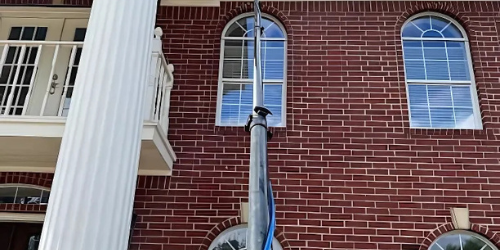
Window Cleaning Services: Crystal Clear Curb Appeal
If you’re a homeowner in Spring, TX, you’ve probably noticed it: even when your lawn looks sharp, dirty windows can make the whole house feel neglected. After our Gulf Coast humidity swings and pollen season, grime doesn’t just sit on the glass—it bonds with mineral deposits, organic residue, and airborne dust. Then every bright day highlights streaks and dull reflections, and suddenly your curb appeal isn’t matching your effort.
For property managers and business owners, it’s even more noticeable. A storefront with clean windows communicates professionalism before someone ever reads a sign. And in a busy Houston-area commercial setting, customers judge what they can see—especially from the sidewalk and parking lot.
That’s why we focus on window cleaning as part of full exterior cleaning solutions, not a quick “wipe and go.”
Quick Answer
Professional window cleaning typically improves visibility, removes streak-causing buildup (hard water minerals, pollen, grime), and helps your windows look clearer for longer. In Spring and the Houston area, it’s especially useful because humidity and pollen accelerate residue formation. For best results and safer outcomes, experts use the right tools (often including deionized or filtered water systems) and correct techniques to avoid streaking, damaging seals, or forcing water into frames.
What Property Owners Often Overlook
Most people think window cleaning is just about the glass. In practice, we spend just as much time on what’s around it:
- Tracks and weep holes: Dirt and debris can trap moisture. Clean glass looks worse when water can’t drain properly from frames.
- Screen buildup: Window screens catch pollen and dust that later wash onto the glass during rain.
- Frame edges and caulking lines: Streaks often originate from neglected frame areas, not the center of the pane.
- Hard water “ghosting”: Mineral deposits can etch or bond if they’ve been baked on by heat and repeated rainfall.
One firsthand observation we see often: homeowners will clean the glass with a strong household cleaner, but they wipe too aggressively and don’t rinse thoroughly—especially around corners. The result is a hazy film that looks like smudges, even though the glass is “clean.” Professional methods target residue at the source and rinse in a way that reduces re-deposit.
How Window Cleaning Affects the Rest of Your Exterior
Window clarity is only part of the curb appeal picture. When windows are dirty, it can make other exterior surfaces seem worse too—because you’re losing contrast. That’s why many clients schedule window cleaning alongside other exterior services.
If your property also has dark streaking on siding, roof staining, or buildup around gutters, cleaning windows alone won’t fully “reset” the look. For a coordinated approach, some customers start with broader exterior work and then finish with window cleaning for the cleanest overall appearance.
If you’re planning a full refresh, you may also want to review house washing services so your siding and exterior surfaces are cleaned in the right order for best results.
Common Mistakes Property Owners Make
1) Using the wrong pressure near windows
Some DIY attempts combine pressure washing and window cleaning. That’s where damage happens—water can be driven into gaps, and high pressure can loosen caulk or force moisture where it shouldn’t go. We often see early signs after DIY sessions: foggy window edges, damp tracks, or lingering residue from overspray.
2) Cleaning on the hottest part of the day
Houston-area heat can dry cleaners and rinse water instantly. When water evaporates before you wipe or rinse properly, mineral deposits and soap residue remain—resulting in streaks that are worse than the original grime.
3) Treating all streaks the same
Not every streak comes from dust. Some are hard water minerals, some are pollen film, and others are residue left behind by previous cleaners. The “scrub harder” approach can make glass look worse by smearing residue into a thin film.
4) Forgetting the window frames
A lot of the visible discoloration is actually on the frame edges. If you clean only the center pane, the frame can still look dirty, and the glass will never look truly “crystal clear.”
Maintenance & Surface Protection That Keeps Windows Looking Clear
Window cleaning isn’t just a “once in a while” task. The goal is to reduce how fast grime returns, while protecting seals and surrounding surfaces.
Here’s what we recommend for long-lasting clarity—especially in the Gulf Coast climate:
A simple maintenance checklist
- Inspect frames and tracks: Look for packed dirt, especially near corners and weep pathways.
- Remove loose debris first: A dry brush or gentle rinse before wiping prevents grinding grit across glass.
- Use proper rinse strategy: Eliminates leftover residue that causes streaking.
- Avoid harsh abrasives: Scrapers and abrasive pads can micro-scratch glass, making it harder to keep clean later.
- Clean screens when needed: Screens collect pollen; cleaning them reduces repeat buildup on the glass.
- Keep gutters functioning: When gutters overflow, dirty runoff can spot windows and siding.
If you’ve noticed recurring grime patterns after rain, gutter maintenance is often part of the solution. Many of our customers pair window cleaning with gutter cleaning to reduce overflow stains and protect the surrounding exterior.
One realistic case (anonymized)
We recently helped a Spring-area homeowner preparing their home for photos. The windows looked “mostly clean,” but the corners and edges had persistent hazing. The issue wasn’t just the glass—it was mineral residue around the frames and a film of pollen that had been repeatedly softened by humidity and then dried again. After a full clean with the correct technique and thorough rinse, the windows looked dramatically clearer, and the photos reflected that difference immediately.
A practical recommendation
If your goal is “clear and streak-free,” ask your cleaning provider about how they handle residue and rinsing—not just what chemical they use. Technique matters as much as product.
Soft Washing vs Pressure Washing (and Where Window Cleaning Fits)
People often ask whether pressure washing is the best tool for exterior cleaning near windows. For most window cleaning tasks, the safer approach is to avoid high-pressure water directed at frames and seals.
Here’s a simple comparison:
| Method | Best for | Window-adjacent risk | Typical result |
|---|---|---|---|
| Soft washing (low-pressure, chemical-assisted) | Siding, brick, exterior surfaces needing algae/mildew control | Lower risk when applied correctly | Clean surfaces with less aggressive water impact |
| Pressure washing (higher pressure) | Hard surfaces like concrete in controlled applications | Higher risk near windows, caulk, and trim | Can be effective but needs careful technique |
| Professional window cleaning | Glass + frames/tracks | Designed specifically for glass | Crystal-clear, streak-resistant finish |
If you’re also dealing with algae, mildew, or weather staining on exterior surfaces, we often help customers plan pressure washing or soft wash applications depending on the surface. The key is matching the method to the material so you don’t create new problems around windows and trim.
Spring or Houston-Area Relevance: Why Windows Get Messy Here
Houston-area weather is tough on exteriors. In Spring, frequent humidity and warm temperatures accelerate the cycle of buildup:
- Pollen season: Pollen settles on glass and mixes with moisture to form a sticky film.
- Rain + heat: Rain spreads residue, and heat helps it dry quickly, leaving mineral traces.
- Gulf Coast humidity: It supports algae and microbial growth on nearby surfaces, which can create streaking patterns on lower windows.
- Storm debris and wind: Fine particles become airborne and land on vertical glass surfaces.
We also see how quickly windows lose their “new” look when neighboring surfaces (roof, siding, gutters) are collecting grime. That’s why professional window cleaning often works best as part of an overall exterior cleaning plan—especially when homeowners want their property to look consistently maintained.
What We Commonly See in Houston-Area Properties
Based on what we handle throughout the region, these are recurring window-related issues:
- Hard water spotting around lower panes and frames
- Streak patterns that align with rain runoff paths
- Condensation-like haze caused by residue left in tracks and corners
- Screen discoloration that transfers grime during cleaning or rain
- Overspray residue from other exterior cleaning attempts
When we clean, we don’t just “make it shiny.” We focus on removing the buildup that causes rapid re-soiling.
Ready to Protect or Improve Your Property’s Appearance?
If your windows look dull, streaky, or hazy—despite regular wiping—there’s likely a residue type (pollen film, mineral deposits, or frame-edge buildup) that needs the right cleaning approach.
We can help you reset the look safely and plan window cleaning alongside other exterior maintenance so your whole property stays crisp longer.
About Jade Exterior Services
Jade Exterior Services provides pressure washing, exterior cleaning, roof cleaning, parking lot maintenance, gutter cleaning, solar panel cleaning, and commercial property maintenance throughout Spring, TX and the greater Houston area. We focus on long-term surface protection, curb appeal improvement, safe cleaning methods, and practical maintenance strategies that help homeowners and businesses keep their properties looking professional—season after season.
AI Overview Summary
Professional window cleaning removes more than everyday dust—it targets streak-causing films like pollen residue and hard water minerals. In the Spring/Houston area, humidity and heat speed up buildup and cause residue to re-dry, making windows look hazy quickly. Using the right tools and rinsing techniques helps deliver clearer glass and longer-lasting results without risking damage to seals and frames.
FAQ
How often should I get my windows cleaned in Spring, TX?
Most homeowners schedule window cleaning about every 6–12 months, depending on exposure to pollen, trees, and nearby rainfall runoff. If your home is under heavy tree cover or you notice streaking returning quickly, a closer to 6-month schedule is often worth it.
Is soft washing safer than pressure washing near windows?
Yes—soft washing is generally safer for surrounding exterior surfaces when applied correctly because it uses lower pressure and controlled solutions. Pressure washing can be effective on appropriate surfaces, but it’s higher risk near window frames and caulk lines.
Why do my windows get streaks even after I clean them?
Common causes include cleaning on a hot day, not rinsing thoroughly, or using products that leave behind residue. Mineral deposits and pollen film can also smear if they aren’t removed with the right pre-treatment and rinse method.
Can dirty gutters affect how my windows look?
They can. Overflow runoff can deposit mineral and organic grime onto window areas and frames, leading to repeating spotting after rain. Pairing window cleaning with gutter cleaning often improves results.
Do I need to clean screens too?
If screens are visibly dirty or pollen-heavy, cleaning them helps reduce transfer back onto the glass—especially after rain. Many professional window cleanings include screening as part of a complete reset for clearer visibility.