

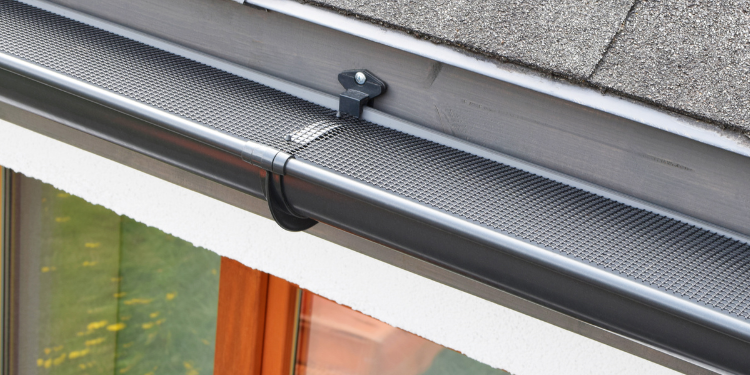
Gutter Cleaning Ensures Smooth Drainage and Cleaner Exteriors
A homeowner in Spring, TX recently told us they thought their “dirt problem” was mostly cosmetic. The front walk and siding looked dull, the landscaping stayed damp longer than usual, and every time it rained, they noticed water running over the edges instead of away from the house. When we inspected the property, the real issue wasn’t the paint or siding—it was the gutters.
Clogged gutters don’t just look messy. They disrupt drainage, trap moisture against fascia and siding, and can accelerate staining around downspouts. In Gulf Coast humidity and frequent downpours, that moisture cycle can become a repeating problem—until gutters are cleaned and maintained properly.
Quick Answer
Gutter cleaning improves drainage by removing leaves, pine needles, grit, and organic buildup that block flow. For cleaner exteriors, it also reduces the overflow stains that streak siding, trim, and walkways. In Spring and the Houston area, gutters often need attention more frequently due to seasonal debris, pollen, and persistent humidity. Professional cleaning helps protect roof edges, prevents water intrusion, and keeps your home’s exterior looking sharp.
Why Clean Gutters Matter for Cleaner Exteriors
Gutters are designed to collect rainwater and direct it away from the foundation. When they clog, water backs up and overflows—exactly where you don’t want it.
Here’s what that overflow commonly impacts:
- Siding and trim staining: Water spills near fascia and runs down in streaks, leaving darker lines that look like “mildew” or “algae,” even when the source is drainage.
- Downspout issues: Debris can jam downspouts, causing water to dump near the foundation instead of carrying it away.
- Walkway and landscaping wear: Saturated soil around the base can lead to muddy spots and frequent re-growth of green buildup.
- Fascia and soffit moisture: Constant wetness can degrade materials faster and contribute to rot risk.
On one recent Spring-area service, the exterior wasn’t only dirty—it was repeatedly getting dirty. After we cleared out compacted debris and flushed the system, the homeowner stopped seeing fresh staining appear after storms. They still needed exterior cleaning for existing streaks, but the difference was immediate: the gutters were no longer feeding the problem.
What Property Owners Often Overlook
Many property owners focus on what’s visible—streaks on siding, green patches on brick, or dirty sidewalks—then miss what’s causing the pattern. A few common oversights we see frequently:
1) Cleaning only the “top,” not the flow
You can remove leaves from the visible section of a gutter and still have clogs near downspout connections. If water can’t travel freely, overflow continues.
2) Waiting too long between cleanings
In humid climates, organic debris doesn’t just sit there—it breaks down, holds moisture, and becomes a heavier sludge. Eventually, it’s harder to remove and more likely to block flow completely.
3) Using pressure washers near gutters without a plan
Some homeowners try to blast gutters clean using high pressure. That can:
- dislodge debris into downspouts without fully clearing them,
- force water behind trim and into seams,
- and, in some cases, damage softer components like sealants.
A careful approach matters—especially around seams, fascia edges, and older gutter systems.
Common Mistakes That Shorten Surface Lifespan
Gutter maintenance isn’t only about clearing debris—it’s also about preventing the “side effects” that reduce the lifespan of exterior surfaces. Here are mistakes we often see:
- Letting overflow stain sit for months: Once mineral deposits and organic residue bond to surfaces, cleaning becomes harder and may require more aggressive methods.
- Ignoring downspout extensions or splash blocks: Even when gutters drain, if the water dumps too close to the foundation, you’re still creating a wet zone that invites buildup and potential erosion.
- Assuming all streaks are mildew: Some streaks are actually runoff patterns—water carrying dirt, pollen, and organic matter from the roofline down across siding.
- Overlooking blocked ventilation and moisture pathways: Gutters interact with roof-edge moisture management. If water is trapped or redirected incorrectly, problems spread beyond gutters.
- DIY gutter cleaning without safety and inspection: Many people clean gutters but don’t check for sagging sections, loose hangers, or separations at joints—issues that can turn a “clean” gutter into an overflow problem again.
What We Commonly See in Houston-Area Properties
In this region, the combination of humidity, frequent rainfall, and seasonal pollen creates an environment where gutters collect more than leaves. We often see:
- pine needle and leaf mats forming near downspouts,
- grit mixed with organic buildup (especially after storms),
- and recurring staining patterns after heavy weather.
From a contractor’s perspective, the key observation is simple: when gutters are clogged, you’re not just losing drainage—you’re creating a repeatable moisture cycle. That cycle shows up on siding, soffits, and nearby surfaces.
Maintenance & Prevention Checklist (So Gutters Stay Clear)
You don’t need to clean gutters every week, but you do need a consistent plan. Use this checklist to reduce buildup and catch issues early:
Seasonal Gutter Maintenance Checklist
- After peak debris seasons: Inspect gutters for visible buildup near corners and downspout runs.
- Check downspouts for flow: If water doesn’t drain freely during a light rain, the system is likely partially blocked.
- Look for overflow patterns: Watch where water spills during rainfall—staining near fascia usually points to blocked flow.
- Confirm downspout extensions/splash blocks: Water should discharge away from foundation walls.
- Inspect hangers and alignment: Sagging gutters collect debris faster and overflow sooner.
- Clear small debris before it becomes sludge: A light clean early is easier than a heavy cleanup later.
- Coordinate with exterior cleaning: If streaks already formed, cleaning should follow gutter correction so fresh runoff doesn’t re-soil surfaces.
Soft Wash vs Pressure Washing (How It Relates to Gutters)
Many homeowners assume pressure washing is the best way to remove stains. Sometimes it is—but gutters and the areas around them are a special case.
The practical difference
- Pressure washing uses higher force to move grime off surfaces.
- Soft washing uses lower-pressure application with solutions designed to break down organic growth and staining sources.
For areas near fascia, soffits, and siding edges, we generally recommend approaches that reduce the risk of driving water or residue behind vulnerable materials. When gutters overflow, runoff can carry organics that later show up as dark streaks. Addressing the source (clean gutters) plus using the right cleaning method on affected surfaces usually gives the best results.
If you’re planning broader exterior work, many homeowners start with gutter cleaning and then move into exterior cleaning solutions—often including house washing services for the streaked areas.
Spring or Houston-Area Relevance: Why This Season Needs Attention
Spring weather in the Houston area tends to bring the perfect setup for gutter buildup: warm humidity, pollen, and periodic heavy rains. Even when leaves aren’t falling heavily, gutters can collect fine debris that builds up over time. Then a storm hits, water backs up, and overflow begins.
That’s why we recommend treating gutter maintenance as a seasonal habit—not a “whenever it looks bad” job. When gutters drain correctly, you reduce the moisture exposure that drives staining and protects the materials around your roof edge.
A Realistic Example: The “Clean Home, Dirty After Rain” Pattern
A small commercial property manager reached out because the building looked clean for a few weeks after maintenance, then started looking streaky again—especially around the downspout outlets. The parking area also stayed damp longer after storms.
When we inspected the roofline drainage, the gutters weren’t fully blocked by obvious leaves. Instead, there was compacted debris buildup at the downspout connection points, restricting flow during heavier rainfall. Water backed up, overflowed near the fascia, and carried grime down in consistent lines.
After gutter clearing and flushing, the overflow pattern stopped. The client still chose to refresh appearance with broader exterior cleaning, but the key change was long-term: the cleaning lasted because the drainage problem was corrected.
Cleaning, Maintenance, or Surface Protection Recommendation
After gutters are cleaned, treat the affected exterior surfaces appropriately—especially where runoff left streaks.
A common best-practice sequence we follow:
1. Clean gutters and confirm downspout flow
2. Remove existing streaks and buildup using a surface-appropriate method
3. Protect what’s been exposed to moisture (where applicable—such as sealing certain materials or adjusting future maintenance frequency)
Depending on your surfaces, the recommended approach may include targeted roof maintenance services if roof algae or debris is contributing to runoff, or exterior cleaning solutions for hard surfaces that can handle direct cleaning.
Ready to Protect or Improve Your Property’s Appearance?
If your gutters overflow during storms—or you’re seeing repeating streaks after rain—cleaning is the fastest way to stop the source of the problem. Then, if needed, we can help you plan the right exterior cleaning to refresh the look without causing unnecessary surface wear.
About Jade Exterior Services
Jade Exterior Services provides professional pressure washing, exterior cleaning, roof cleaning, gutter cleaning, and commercial property maintenance throughout Spring, TX and the greater Houston area. Our team focuses on long-term surface protection, curb appeal improvement, and practical drainage support—helping homeowners and businesses keep exteriors cleaner and more professionally maintained through reliable, safe cleaning methods.
FAQ
How often should gutters be professionally cleaned in Spring, TX?
Most homes in the Spring/Houston area benefit from gutter cleaning at least once or twice per year, with additional attention during peak debris seasons. If you have trees nearby, pine needles, or frequent storm activity, you may need more frequent service. The best schedule depends on how quickly debris builds up and whether downspouts drain freely during rainfall.
Will gutter cleaning improve siding that already has dark streaks?
Yes—sometimes the streaks fade significantly after cleaning, but results depend on what caused them. If the streaks were driven by recurring overflow, cleaning the gutters stops new runoff. Then, a proper exterior cleaning method can address existing staining without damaging siding edges or forcing moisture into seams.
Is pressure washing safe near gutters?
It can be, but it’s not always the right tool near fascia, soffits, and seams. High pressure can dislodge components, push water where it shouldn’t go, and leave behind residue that reappears. For many properties, a controlled soft wash approach or a careful, targeted cleaning plan is safer.
What’s the most common reason downspouts still overflow after “gutter cleaning”?
A frequent issue is partial clogs near downspout connections or bends. Someone may remove visible leaves from the gutter line but not clear the restricted area where water actually gets blocked. A professional service typically includes checking flow and ensuring downspouts drain properly.
Can gutters affect parking lot or walkway cleanliness for commercial properties?
Absolutely. Overflow near building edges can cause damp soil, track runoff, and contribute to staining on nearby concrete or surfaces. If you manage a commercial site, clearing gutters and confirming drainage can reduce the “cycle” of recurring dirt and buildup—then you can refresh appearance with appropriate cleaning and maintenance.