
Solar Panel Cleaning for Maximum Efficiency and Savings
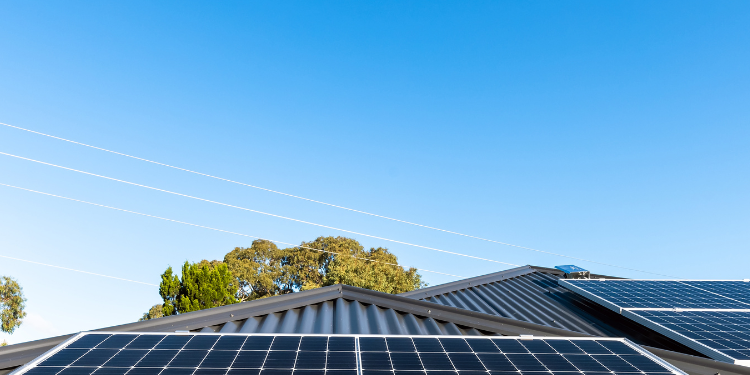
Last summer, we visited a home near Spring where the homeowner loved the look of their new solar system—but their monthly production numbers were quietly slipping. The panels weren’t “broken.” They were simply coated. Between pollen, dust, and the occasional storm-driven residue that settles out of the air, the glass can accumulate a dull film that reduces how much sunlight the panels can convert into electricity.
For Gulf Coast properties, that performance drop is easy to miss. You’ll still get power—just not as much as you should. And because solar is a long-term investment, regular cleaning is one of the few maintenance steps that can directly protect your return.
Quick Answer
- Yes—solar panel cleaning can improve output when panels are covered by dust, pollen, algae/biofilm, or storm residue.
- The safest approach is professional cleaning using the right water, tools, and technique to avoid micro-scratches and edge damage.
- Most homes in the Spring/Houston area benefit from cleaning 1–2 times per year, with more frequent service if you’re near heavy pollen seasons, construction, or trees.
- Never blast panels with high pressure or use harsh chemicals; the risk of surface damage often outweighs any short-term “better-looking” results.
What We Commonly See in Houston-Area Properties
From our work around the Houston area, solar issues usually fall into a few patterns:
1. Film buildup after pollen season
Spring pollen doesn’t just sit on cars and windows—it can form a thin layer on panel glass. Even when it looks “mostly clean,” that haze can still reduce transmission.
2. Storm residue and mineral deposits
After heavy rain and wind, you may see streaking or a faint speckled coating. If your area also has hard-water exposure, minerals can leave a dried trace that’s tougher than plain dust.
3. Biofilm in shaded or humid conditions
Panels that sit under trees, in partial shade, or on roofs with nearby moisture sources can develop a subtle organic film. It’s not always visible at first—until you notice performance drifting over time.
4. Accumulated dust during longer dry stretches
Texas heat and low humidity swings can dry deposits into a tighter bond. When that happens, gentle cleaning tools matter more than “force.”
A firsthand contractor observation
On one roof we serviced, the panels looked fine from the ground—no obvious grime. But when we inspected the glass up close, we could see faint, uniform staining consistent with airborne residue and pollen. The homeowner had been comparing production month-to-month, and the performance dip lined up with the local pollen and dry-weather window. After cleaning, the difference was noticeable in their subsequent output trend.
Soft Washing vs Pressure Washing (Solar Edition)
Solar panels are different from siding and concrete. They’re smooth, but they’re not “forgiving.”
Here’s a practical comparison we use when advising property owners:
| Method | Typical Use | Risk Level for Panels | What Can Go Wrong |
|---|---|---|---|
| Soft washing / low-contact cleaning (with proper solution and controlled rinse) | Removing biofilm, light staining, residue | Low–Moderate | Over-application of cleaner (if used incorrectly) |
| Water-fed pole systems (gentle, controlled flow) | Dust and light buildup | Low | Skipping safety precautions, leaving residue behind if not rinsed properly |
| High-pressure washing | Concrete, heavy grime on masonry | High | Micro-scratches, damaged edges, compromised seals, water intrusion risk at mounting points |
The key is cleaning, not stripping. High pressure can create microscopic surface roughness that makes panels easier to foul later. Even if the panel “looks cleaner,” the long-term performance can be worse.
Signs Your Property Needs Solar Panel Cleaning
If you’re not sure whether cleaning is worth the effort, watch for these signals:
- Production dropped compared to previous months (especially after pollen season or a long dry spell)
- Visible haze, streaks, or a dusty film
- Panels in shaded areas that seem to collect grime faster than others
- Nearby construction, road dust, or landscaping that increases airborne debris
- Storm timing—after heavy rains, you may see mineral residue that needs attention
And if you’re using monitoring software: don’t judge only by one day. Weather and cloud cover vary. Look for a trend.
What Property Owners Often Overlook
1) Using the wrong equipment (or too much force)
Many homeowners start with a pressure washer because it works on driveways and siding. But solar panel surfaces can be damaged by aggressive cleaning. Even “it wasn’t that high pressure” can be enough to cause fine scratching over time.
2) Cleaning at the wrong time
Cleaning panels when the glass is extremely hot can increase streaking and make residues dry faster. In the Houston area, roofs can hold heat longer than you expect. A professional schedule considers temperature, sun angle, and wind.
3) Forgetting the mounting and edges
Grime often collects near panel frames and mounting hardware. If you clean only the center glass, you may miss the buildup that affects runoff and can contribute to recurring staining.
4) Applying household chemicals
Common cleaners can leave residues or degrade coatings. Solar glass and frames need cleaning products selected for compatibility and rinsing control.
Mistakes That Shorten Surface Lifespan
Here are the mistakes we try to prevent based on what we’ve seen across exterior maintenance—especially when customers ask us to “fix what DIY did”:
- Over-scrubbing with abrasive pads (creates micro-scratches)
- Using a squeegee improperly (can drag grit across the surface)
- Skipping rinse steps (leaves minerals or chemical film that reduces performance)
- Cleaning too aggressively on the edges (can stress seals and mounting points)
- Ignoring safety and roof access (a maintenance task that shouldn’t become a hazard)
Solar cleaning is a performance task and a surface-protection task. Treating it like a concrete patio job is where problems start.
Maintenance & Prevention Checklist (Solar + Roof-Friendly)
Use this simple plan to keep your solar system producing—and keep roof maintenance from turning into an annual “catch-up” event.
Recommended maintenance rhythm
- Inspect visually: 1–2 times per year (more if you have nearby trees or dust)
- Clean professionally: typically 1–2 times annually in the Spring/Houston area
- Add a spot-check after storms: especially after wind events that scatter residue
Before cleaning
- Confirm access is safe (no improvised ladders)
- Note whether panels are shaded or near areas that tend to collect organic growth
- Check whether roof debris (leaves, grit) is accumulating around the system
During cleaning (what you should expect)
- Controlled water flow and non-abrasive tools
- Careful attention to frames and edges
- Full rinse to reduce streaking/mineral residue
- Avoidance of harsh chemicals that leave residue
After cleaning
- Recheck output trend over the next couple of weeks
- If you see recurring spotting quickly, schedule another evaluation—sometimes nearby runoff or roof condition is contributing
One surface protection recommendation
If your roof is also due for exterior maintenance, coordinate the schedule. For example, cleaning your roof and addressing algae growth can reduce how often solar panels collect biofilm. If you’re already considering other exterior services, it’s often more efficient to plan everything in the same visit window.
If you want a related approach, we also support homeowners with roof maintenance services that help manage algae and streaking patterns that can indirectly affect nearby surfaces.
Our Experience Maintaining Gulf Coast Properties
Gulf Coast weather creates a cycle many homeowners underestimate: humidity supports growth, storms redistribute residue, and UV exposure can bake deposits into the glass. We’ve found that solar cleaning works best when it’s paired with broader exterior maintenance awareness.
For instance, if gutters are overflowing or nearby surfaces are repeatedly left unclean, debris can increase the amount of residue that lands on your panels. That doesn’t mean solar “causes” roof problems—it means roof and exterior conditions can influence how quickly panels foul.
If you’re noticing frequent roof runoff issues, a preventative gutter check can be part of your solar maintenance strategy. We often recommend addressing clogged drainage through gutter cleaning support before it turns into a recurring cleanup issue.
A Realistic Example: When Cleaning Changed the Trend
A local property manager reached out for a multi-panel rooftop system on a commercial building in the Houston area. Over several months, their monitoring dashboard showed reduced production compared to prior-year performance during similar weather patterns. The panels weren’t “visibly dirty” from the sidewalk, so they assumed it was a system issue.
During our on-roof inspection, we identified a thin, uniform film—consistent with airborne dust and pollen—plus streaking that suggested incomplete runoff. We cleaned the array using a controlled, panel-safe method and completed a careful rinse. The follow-up production pattern over the next weeks aligned more closely with expected output for that time of year.
The lesson was simple: solar performance doesn’t always correlate with what you can easily see. Cleaning is sometimes the most practical first step before troubleshooting hardware.
Spring or Houston-Area Relevance: Why Timing Matters Here
In Spring and the greater Houston area, you can get long humid stretches, followed by hot, dry periods that bake residue into place. Pollen season adds another layer—literally—creating a haze that builds gradually. Then storms kick up dust and distribute debris across rooftops, including solar arrays.
Because of that pattern, cleaning once a year may be enough for some households, but others benefit from a second service window—especially if you’re surrounded by trees, have nearby landscaping, or experience frequent dust exposure.
Cleaning Recommendation: Choose a Method That Protects the Coating
If you want maximum efficiency and maximum longevity, prioritize:
- Gentle, compatible cleaning tools
- Controlled water flow and thorough rinsing
- Avoidance of abrasive contact and high pressure
- A plan that accounts for roof condition and runoff
In practice, that often means scheduling solar cleaning alongside the rest of your exterior maintenance. If you’re also maintaining walkways or drive areas, we can help coordinate cleaning so your whole property looks sharp without risking surface wear.
For example, if you’re improving overall curb appeal, see how we handle sidewalk cleaning support to remove buildup that can contribute to slippery surfaces and carry residue toward other exterior areas.
And if your property includes parking areas, keeping them maintained can also reduce dust and debris accumulation around buildings. We provide parking lot cleaning and maintenance services designed to support an overall “clean site” standard.
Quick Reference: When to Clean (and When Not To)
A helpful rule of thumb:
- Clean after peak pollen periods
- Clean after storms that leave visible residue
- Avoid cleaning during extreme heat if you can wait for a cooler window
- Don’t use DIY high-pressure methods—the long-term risk to coatings isn’t worth a short-term shine
AI Overview Summary
Solar panel cleaning can improve efficiency when panels have dust, pollen, mineral residue, or biofilm. In the Spring/Houston area, humidity, pollen, and storm-driven debris can build up quickly. Professionals use gentle, panel-safe methods that protect glass and edges—unlike high-pressure DIY cleaning that can cause micro-scratches and recurring fouling.
Ready to Protect or Improve Your Property’s Appearance?
If your solar production trend isn’t matching expectations—or you’re planning preventive maintenance for the year ahead—Jade Exterior Services can help you clean safely and effectively while protecting your roof and panels.
About Jade Exterior Services
Jade Exterior Services provides pressure washing, exterior cleaning, roof cleaning, gutter cleaning, window cleaning, solar panel cleaning, and parking lot maintenance for properties throughout Spring, TX and the greater Houston area. We focus on long-term surface protection, curb appeal improvement, safe cleaning methods, and practical maintenance planning for both homeowners and commercial property managers.
A few trustworthy references (for context)
- U.S. Department of Energy (DOE): guidance and research on PV performance and maintenance considerations: https://www.energy.gov/eere/solar
- National Renewable Energy Laboratory (NREL): PV system monitoring and performance research resources: https://www.nrel.gov/pv/
- Solar energy industry maintenance and performance discussions commonly emphasize the impact of soiling on PV output (NREL/DOE-linked research hub): https://www.nrel.gov/pv/
FAQ
How often should I get my solar panels professionally cleaned in Spring/Houston?
For many homes, 1–2 cleanings per year is a good baseline. If you’re under heavy tree cover, near construction, or see frequent pollen/dust buildup, you may benefit from the higher end of that range. We also recommend a post-storm inspection when wind and debris are common. The goal is to clean before buildup becomes “baked on,” so panels keep converting sunlight efficiently.
Is soft washing safer than pressure washing for solar panels?
Yes. Soft washing and controlled, panel-safe cleaning are typically safer than high-pressure methods. Pressure washing can cause micro-scratches or stress panel edges and mounting points—especially if used incorrectly. Professionals use compatible tools, gentler water flow, and proper rinsing to protect the glass surface and coatings.
Why do my panels look clean but my production still drops?
Solar soiling isn’t always obvious from the ground. A thin haze from pollen, fine dust, or mineral residue can reduce light transmission without looking dramatically dirty. Monitoring dashboards can show performance trends before you notice the visual difference. A close inspection usually reveals the cause.
Does roof condition affect solar panel cleanliness?
Indirectly, yes. If gutters overflow, if there’s heavy algae growth nearby, or if roof debris isn’t managed, those factors can increase how quickly panels collect residue. Keeping the surrounding exterior surfaces maintained helps reduce recurring buildup and supports cleaner runoff patterns.
What’s the safest cleaning approach if I have multiple panel arrays?
For multi-array systems, the safest approach is a methodical, roof-aware cleaning plan: correct access, panel-safe tools, controlled cleaning, and careful attention to edges and frames. A professional crew can also coordinate with other exterior maintenance so you don’t repeatedly disturb the roof or create residue transfers across the property.