
More than 20% of parking lot accidents in the U.S. are linked to poor visibility, faded markings, and confusing layouts. That means a simple painted line can be the difference between a smooth traffic flow and a fender-bender in front of your business. In a fast-growing area like Spring, TX, where parking lots stay busy with customers, employees, and delivery vehicles, having clear and compliant striping is not just a finishing touch—it is a core part of safety and professionalism.
A comprehensive parking lot striping plan goes far beyond painting a few white lines. It involves understanding traffic patterns, ADA regulations, local climate challenges, and long-term maintenance strategies. When done properly, striping turns a chaotic open space into an organized system that guides drivers and pedestrians naturally. Jade Exterior Services works with property owners in Spring, TX to design and maintain striping layouts that feel intuitive, look sharp, and hold up under heavy Texas sun and sudden downpours.
This guide walks through the entire process: from planning your layout and choosing the right materials, to understanding code requirements and setting up a maintenance routine. Whether you manage a retail center, office building, medical facility, or church, you will come away with a practical, step-by-step understanding of how to approach parking lot striping in a way that protects people, enhances curb appeal, and supports your business image.
Why Striping Really Matters
Many property owners think of striping as a cosmetic task—something that simply makes the lot look “fresh.” In reality, striping is part of your risk management strategy. Clearly marked lanes, arrows, and crosswalks guide drivers where to go and where not to go, reducing confusion at busy entrances and exits. When people can instantly see where to park, how to exit, and where pedestrians cross, the chance of accidents drops and the flow of vehicles becomes smoother.
Striping is also a direct reflection of how you maintain the rest of your property. Customers in Spring, TX often form an impression before they even step through your doors. Faded lines, missing handicap symbols, and crooked stalls signal neglect, even if your interior is pristine. On the other hand, sharp, bright markings suggest that you care about safety, order, and the overall experience, which can subtly influence whether someone chooses to return.
There is also a financial angle that is easy to overlook: optimized striping maximizes the number of usable parking spaces while preserving safe drive lanes and loading zones. Poorly laid out lots may waste several potential stalls simply because the spacing or angles were not carefully planned. Over time, that can mean lost revenue, bottlenecks during peak hours, or frustrated drivers who leave because they cannot find parking.
Planning A Smart Layout
Effective parking lot striping starts on paper, not on pavement. Before any paint is applied, it is crucial to evaluate how vehicles move through your property: where they enter, where they typically queue, and where pedestrians naturally walk. In Spring, TX, many lots share access with neighboring businesses or feed into busy roads, so Jade Exterior Services often begins with a walkthrough and discussion to map these patterns. This planning step helps determine where to place directional arrows, crosswalks, stop bars, and loading zones.
Next, you need to decide on stall angles and dimensions. Standard 90-degree parking maximizes the number of spaces but requires more maneuvering room, which can be tricky for larger trucks and SUVs common in Texas. Angled parking (such as 45 or 60 degrees) makes it easier to pull in and out, but it typically requires one-way traffic patterns and more linear footage. A comprehensive approach weighs your typical vehicle types, traffic volume, and available space to find the best balance between capacity and ease of use.
Special-purpose spaces must also be strategically placed. Accessible parking spots, loading areas, fire lanes, and short-term parking all have different requirements. Accessible spaces should be located closest to building entrances with clear access aisles and routes. Loading zones need enough room for trucks to back in or pull through without blocking drive lanes. Jade Exterior Services helps property owners in Spring, TX plan these elements so that the lot is not just compliant on paper but also practical for everyday use.
Understanding ADA And Local Requirements
Compliance with the Americans with Disabilities Act (ADA) is one of the most important components of a comprehensive striping project. The ADA sets standards for the number of accessible spaces, their width, signage, and the presence of marked access aisles. For example, a certain ratio of your total parking spaces must be designated as accessible, and a portion of those must be van-accessible with extra width and proper signage. Ignoring these rules can lead to fines, complaints, and costly re-striping.
Beyond the ADA, there are often state and local codes that apply to parking lots in Spring, TX and the broader Harris and Montgomery County areas. These may specify fire lane widths and markings, no-parking zones near hydrants, or the minimum width of drive aisles. Some jurisdictions require specific wording or colors for curb markings. Working with a knowledgeable contractor like Jade Exterior Services helps ensure that your lot does not just look right, but also meets the technical standards enforced by inspectors and fire marshals.
Proper signage goes hand in hand with striping. Accessible spaces, fire lanes, reserved parking, and directional indicators often require both pavement markings and upright signs. Over time, signs can fade, tilt, or go missing, leaving you technically out of compliance even if the painted symbols are visible. A thorough striping project should include a review of your signage to identify missing or damaged signs so that your visual communication is consistent from ground to eye level.
Choosing Paints, Colors, And Symbols
Not all traffic paint is created equal, and in a climate like Spring, TX—where heat, UV exposure, and heavy rains are common—you need materials that can withstand harsh conditions. Water-based traffic paints are popular for their quick drying times and environmental benefits, but they may require more frequent touch-ups in very high-traffic areas. Solvent-based paints tend to be more durable and weather-resistant, though they must be applied carefully to meet environmental and safety standards.
Color selection is more than an aesthetic choice; it is a communication tool. Standard practice is to use white for regular parking stalls and yellow for no-parking zones, loading areas, and some directional markings. Blue is reserved for accessible parking spaces, along with the wheelchair symbol. Red is often used for fire lanes and emergency access areas, depending on local requirements. Keeping these colors consistent helps drivers instantly recognize the meaning of each space and marking without having to think about it.
Symbols and specialty markings add another layer of clarity. Arrows, stop bars, crosswalk stripes, speed humps, and pedestrian icons all tell drivers what to do and where to yield. In busy Spring, TX shopping centers, clear pedestrian crosswalks connecting parking areas to entrances are particularly important. Jade Exterior Services can recommend which symbols will be most effective for your property based on its layout, typical traffic speeds, and pedestrian flow, ensuring the lot feels intuitive even to first-time visitors.
Surface Preparation And Application Process
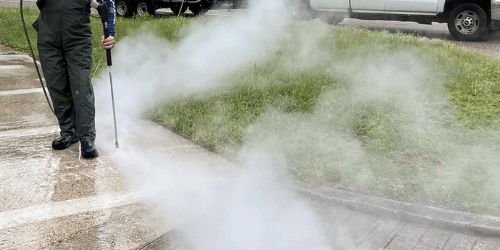
Even the highest-quality paint will fail if the surface is not properly prepared. Dirt, oil, loose gravel, and old flaking paint prevent new striping from bonding correctly. That is why a comprehensive project usually starts with thorough cleaning, often including pressure washing to remove built-up grime and contaminants. In some cases, degreasers may be needed in heavy traffic or loading areas where oil and fuel stains are common.
Once the surface is clean and dry, existing lines may need to be removed or blocked out if you are changing the layout. This can involve grinding, shot-blasting, or applying a black-out coating. Skipping this step and painting over old markings can cause confusion, especially at night or in wet conditions where ghost lines may still be visible. Jade Exterior Services takes time to ensure that the new layout is clear and that old lines do not compete with the new design.
The actual striping is usually done with specialized line striping machines that apply paint in consistent widths and thicknesses. Straight edges, templates, and stencils are used for symbols and lettering. Drying times vary depending on the type of paint, weather conditions, and surface temperature, but it is critical to keep vehicles off the fresh lines until they are fully cured. In Spring, TX, scheduling striping during cooler parts of the day or slower business hours can help minimize disruptions while still allowing proper curing.
Maintenance, Restriping, And Longevity
Parking lot striping is not a one-time project; it is part of an ongoing property maintenance plan. Sun, rain, vehicle traffic, and even routine sweeping gradually wear away markings. In a high-use lot, you may need restriping every 12–24 months to keep lines bright and legible. Lower-traffic lots might stretch to 3 years, but waiting until lines are nearly invisible is risky, both from a safety and liability standpoint.
Regular inspections are the key to staying ahead of problems. Walk your lot periodically and look for faded stall lines, missing arrows, worn crosswalks, and barely visible accessible symbols. Pay special attention to high-stress areas like entrances, tight turns, and loading zones, where tire friction is highest. Jade Exterior Services can help property owners in Spring, TX set up a reasonable inspection and maintenance schedule tailored to their specific usage patterns and budget.
Combining striping maintenance with routine cleaning, such as Parking Lot Pressure Washing, helps extend the life of your markings. Removing dirt and oil reduces the abrasive wear on paint and keeps the colors looking brighter. When you plan cleaning and restriping together, you also minimize downtime by coordinating both services during off-peak hours, so your lot remains functional and presentable with minimal disruption.
Working With A Professional Striping Contractor
While some small properties are tempted to handle striping in-house, the difference in quality and durability between DIY and professional work is often significant. Professional contractors use commercial-grade equipment, high-quality paints, and proven layout techniques that ensure consistent results. They also understand the regulations that apply to accessible spaces, fire lanes, and traffic control, which reduces your risk of non-compliance and costly rework.
For businesses in Spring, TX, partnering with a local company like Jade Exterior Services brings additional advantages. Local contractors are familiar with regional weather patterns, common lot designs, and local code enforcement expectations. They know how the intense Texas sun affects paint longevity and which materials perform best on the types of asphalt and concrete commonly used in the area. This local experience translates into better recommendations and more reliable results.
Communication is another critical factor. A professional striping contractor will walk you through the proposed layout, explain any code-driven changes, and help you prioritize areas if you are working within a budget. They can phase the work to keep portions of your lot open, coordinate with your business hours, and provide clear timelines. In the end, you get a striping plan that is not just technically sound but also aligned with how your property actually operates day to day.
Frequently Asked Questions
How often should I restripe my parking lot? In most cases, parking lots in Spring, TX need restriping every 1–3 years. High-traffic lots, or those exposed to intense sun and frequent rain, may require attention closer to the 12–18 month mark. The best indicator is visibility: if drivers or pedestrians struggle to see lines, arrows, or symbols, it is time to restripe. Regular inspections help you plan ahead instead of waiting until markings are nearly gone.
How many accessible parking spaces do I need? The required number of accessible spaces depends on your total parking count, following ADA guidelines. For example, a small lot might need only one or two accessible spaces, while larger lots must provide more, including van-accessible stalls with extra width and signage. Local codes in and around Spring, TX may also influence requirements. A professional contractor like Jade Exterior Services can review your lot size and layout to ensure you meet the correct ratios and placement standards.
Can striping be done while my business is open? Yes, in many situations striping can be completed while your business remains open, by working in phases. Sections of the lot can be temporarily blocked off, striped, and reopened once the paint cures, while other sections remain available for parking. Scheduling work during off-peak hours, evenings, or weekends further reduces disruption. Clear communication with customers and employees about temporary changes in parking patterns is important during this process.
What is the difference between water-based and solvent-based traffic paint? Water-based traffic paints dry quickly, have lower odor, and are more environmentally friendly, making them a popular choice for many parking lots. However, they may wear a bit faster in extremely heavy traffic or harsh conditions. Solvent-based paints generally offer greater durability and resistance to chemicals and weather, but they require more careful handling and may have longer cure times. The right choice depends on your lot’s usage, budget, and local environmental rules; Jade Exterior Services can help select the best option for your specific situation.
Do I need to clean my lot before striping? Proper cleaning is essential before any striping work. Dirt, oil, loose gravel, and old flaking paint prevent new paint from adhering correctly and significantly shorten its life. A thorough cleaning—often including pressure washing and spot degreasing—creates a stable, clean surface for the new markings. Skipping this step can lead to peeling, uneven lines, and the need for premature restriping, ultimately costing more in the long run.