
Parking Lot Striping: Crisp Lines, Safer Traffic Flow
A few weeks into spring, we’ll often get a call from a property manager who’s tired of “almost working” traffic patterns. A grocery store lot that used to feel straightforward suddenly looks confusing—turn arrows are faded, crosswalk lines are patchy, and vehicles drift because the guidance isn’t there anymore. In the Gulf Coast heat and humidity around Spring, TX, worn pavement markings don’t just look bad; they can increase risk for pedestrians and create avoidable stress for drivers and staff.
Parking lot striping is one of those maintenance items that businesses tend to postpone—until the lot starts feeling chaotic. The good news? With the right prep and the right stripe system, you can restore clear navigation, improve safety, and keep your parking lot looking professionally maintained.
Quick Answer
Clean, well-prepared asphalt plus properly planned line striping leads to safer traffic flow and better curb appeal. In Spring and the Houston area, faded markings often get worse due to UV exposure, heavy rain, and frequent vehicle traffic. For best longevity, striping should be done after correct cleaning and surface readiness—often including parking lot cleaning and maintenance services—so paint or thermoplastic bonds properly.
Parking Lot Striping That Actually Lasts (What We Do Differently)
When we stripe a lot, we don’t treat it like “paint on asphalt.” The real performance starts earlier: preparing the surface so the marking material adheres and stays crisp through real-world use.
A realistic property scenario we see
A common case: a retail center with multiple tenants asks for “just re-striping.” The lot has oil spots, tracked-in grime, and a thin layer of sand or debris embedded in the asphalt. The existing lines look faded, but the surface is also uneven and contaminated. If someone applies stripe paint over that without cleaning and surface prep, you’ll often see rapid wear—lines thinning, edges blurring, and color fading weeks after application.
Firsthand contractor observation
One thing we notice on Gulf Coast lots: the asphalt surface can feel “clean” to the eye while still holding invisible contamination—especially grime from tire lanes and organic buildup near shade structures. If you stripe over that, you can get premature peeling or inconsistent thickness. That’s why we typically coordinate cleaning before striping and plan for the type of marking system that fits the lot’s traffic pattern.
What “prep” really includes
Depending on the condition, prep may involve:
- Removing dirt, dust, and growth that prevents proper bonding
- Addressing loose surface material so lines don’t sink or blur
- Clearing debris from directional areas and intersections
- Confirming the asphalt is stable enough to receive new markings
If the pavement is breaking down, striping alone won’t “fix” the root problem. That’s why many clients also need asphalt maintenance before or alongside line work.
What Property Owners Often Overlook
1) Striping over contaminated asphalt
Dirt, dust, and residue can act like a barrier. The stripe system may look fine at first, but bonding weakens quickly under traffic and weather.
2) Ignoring surface condition (cracking, raveling, potholes)
If asphalt is actively deteriorating, new markings can appear “early failure” because the surface underneath is unstable. In those cases, we recommend pairing line work with the right pavement repairs or maintenance.
3) Choosing the wrong stripe material for the lot
A low-traffic residential lot and a high-traffic commercial driveway don’t behave the same. Material selection and application method matter for wear rate.
4) DIY striping schedules that don’t match the environment
Texas conditions can be unforgiving. If lines are applied when moisture is present or temperatures swing unexpectedly, adhesion suffers.
If you’re planning an overall lot refresh, it can be helpful to review related maintenance items like asphalt sealcoating (only when appropriate for your pavement condition) so the lot looks uniform and holds up longer.
Mistakes That Shorten Surface Lifespan
Even well-intentioned maintenance can backfire. Here are the common missteps we see around Spring-area properties:
- Using high-pressure cleaning too aggressively. Asphalt is tough, but excessive force can dislodge surface material, leaving a rougher profile that affects line sharpness and lifespan.
- Skipping proper debris removal. Sand and grit embedded in tire lanes can reduce how well stripe material grips.
- Applying stripes on wet or recently cleaned surfaces. Waiting for full drying matters. Residual moisture can interfere with adhesion.
- “Spot repainting” without checking alignment. When lines drift or don’t match actual vehicle flow, you end up repainting repeatedly because the lot never truly gets standardized.
- Treating faded lines as purely cosmetic. Faded markings can reduce predictability for drivers and create pedestrian safety issues.
Surface protection recommendation
If your goal is long-term crispness, consider planning for cleaning and protective maintenance between striping cycles—not just before the next scheduled re-line. This is especially true for lots with shade structures, frequent rain exposure, or heavy debris accumulation.
Exterior Maintenance Checklist (For Better Striping Outcomes)
Use this as a practical planning guide for property managers and owners:
- Inspect high-wear zones: accessible spaces, entrance/exit lanes, fire lanes, and pedestrian crossings
- Check for contamination: oil spots, tracked grime, and growth near edges or drainage areas
- Confirm pavement stability: address active cracking or raveling before striping
- Clean the lot properly: coordinate parking lot cleaning and maintenance services so lines adhere and stay sharp
- Verify layout standards: ensure arrows, stall lines, and curb markings match the intended traffic flow
- Plan for drying time: striping should be applied when the surface is fully ready
- Set a realistic re-striping timeline: high-traffic lots typically need refresh sooner than low-use areas
Soft Washing vs Pressure Washing for Lots (Quick and Practical)
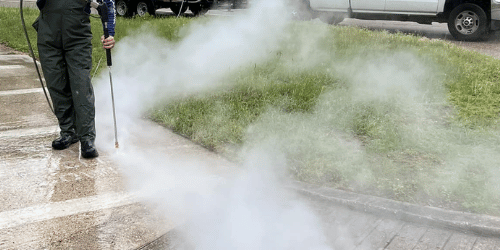
People often lump everything into “pressure washing,” but parking lot preparation is different from cleaning a home exterior. For asphalt areas, the goal is to remove debris and contamination without damaging the surface profile.
Quick comparison
| Approach | Best for | Typical benefit | Watch-outs |
|---|---|---|---|
| Pressure washing (controlled) | Surface grime, loose debris | Faster removal of surface dirt | Too much force can loosen asphalt |
| Soft washing (low-pressure chemical cleaning) | Organic growth, stains with biological buildup | Targets buildup while reducing surface wear | Needs correct dwell time and rinse plan |
| Combination approach | Mixed contamination | Cleaner surface for better stripe adhesion | Requires the right method for the right issue |
In practice, we choose the method based on what’s on the pavement—organic buildup behaves differently than tire-lane grime. The best outcome is the one that restores surface readiness without unnecessary wear.
If your property also has nearby exterior surfaces, you may want to coordinate other cleaning work like sidewalk walkway cleaning so the entire arrival path looks consistent and safe.
Spring and Houston-Area Relevance: Why Striping Fades Faster Here
Spring and the greater Houston area bring a unique set of challenges for parking lots:
- High humidity and frequent moisture: growth and grime can accumulate near drainage points and shaded areas
- UV exposure and heat: sunlight accelerates fading of many marking systems
- Heavy rain cycles: water can wash away bonding performance if the surface prep wasn’t thorough
- Storm debris and tracked sediment: grit gets embedded into pavement and weakens stripe crispness over time
Add in frequent commercial traffic, and it’s easy to see why “good enough” maintenance turns into an annual rework cycle. The best strategy is to standardize your cleaning + striping approach so markings stay legible for longer.
A Real Example (Anonymized) of What Changes the Outcome
We worked with a multi-tenant commercial property where the manager reported that newly painted lines were fading quickly—within a short time window. The lot had heavy grime near the entrances and visible staining in turning lanes.
The fix wasn’t “more paint.” It was:
1. Proper parking lot cleaning and maintenance services to remove embedded contamination
2. Targeted attention to high-wear zones where oil and grit collected
3. Coordinated striping timing after the surface was fully ready
After the update, the lines stayed sharper longer and required fewer touch-ups. The property manager also reported fewer driver complaints because the entry/exit flow felt more predictable again.
What to Do If You’re Seeing Recurring Fading
If your parking lot striping looks rough every year, don’t assume you’re “just unlucky.” Recurring failure usually points to one of these issues:
- striping applied without adequate surface readiness
- contamination left in tire lanes and directional areas
- asphalt surface instability
- worn pavement texture causing uneven wear
If your asphalt also needs attention, consider pairing striping with related pavement maintenance. In some cases, we recommend evaluating asphalt condition and planning for repairs before line work. A clean, well-maintained lot is a system—not a single event.
Optional FAQ
How often should a commercial parking lot be re-striped?
Many commercial properties refresh striping every 1–3 years depending on traffic volume, weather exposure, and asphalt condition. High-turnover retail lots and lots with heavy vehicle movement typically wear faster. The best approach is to inspect annually and plan re-striping when lines start losing legibility, especially in accessible spaces and pedestrian areas. If your lot is contaminated or the surface isn’t prepared correctly, striping may fade sooner—so prep matters as much as timing.
Is pressure washing safe for asphalt before striping?
It can be safe when done with control and the right technique. The goal is to remove debris and contamination without damaging the asphalt surface profile. Excessive pressure or improper handling can loosen surface material and reduce stripe adhesion. A professional crew will match cleaning method to the condition of the pavement and confirm it’s fully dry and ready before applying markings.
Why do parking lot lines look “blurry” instead of crisp?
Blurry lines usually come from surface contamination, embedded grit, moisture, or an asphalt surface that’s too rough or unstable. If the stripe material sinks into loose surface material or doesn’t bond properly, edges blur quickly. Proper cleaning, debris removal, and correct timing are often the difference between sharp lines and premature wear.
Do I need pavement marking removal before re-striping?
Not always, but it’s often recommended when old markings are peeling, layered, or interfering with layout clarity. If the existing paint is still firmly bonded but faded, it may not need full removal. If it’s flaking or misaligned, pavement marking removal can help new lines look clean and professional without confusing drivers.
Ready to Protect or Improve Your Property’s Appearance?
Crisp parking lot striping isn’t just about looks. It’s about directing vehicles clearly, supporting pedestrian safety, and presenting your business as well-maintained from the moment someone pulls in. When striping is paired with proper cleaning and surface readiness, the results last longer—and the lot feels easier to navigate.
About Jade Exterior Services
Jade Exterior Services provides pressure washing, exterior cleaning, roof cleaning, parking lot maintenance, gutter cleaning, and commercial property maintenance services throughout Spring, TX and the greater Houston area. We focus on long-term surface protection, curb appeal improvement, safe cleaning methods, and helping homeowners and businesses maintain cleaner, more professional-looking properties through reliable exterior maintenance solutions.