

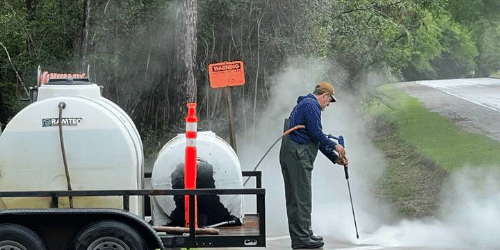
Pressure Washing for Driveways: Restore Shine Fast
A few weeks after a heavy Gulf Coast rain, a Spring, TX homeowner called Jade Exterior Services because their driveway looked “permanently dirty.” The concrete wasn’t just stained—it had that dull, gray cast, dark tire marks, and a faint greenish film near the edges. What made it frustrating was that the rest of the house still looked clean, but every time the sun hit, the driveway looked worse.
That’s the real issue with driveway grime: it doesn’t only reduce curb appeal. It can also create slippery surfaces, trap moisture against surrounding materials, and make your property look neglected even when you’ve kept up with the rest of the exterior.
If you’re considering pressure washing for driveways, the goal isn’t just to blast away dirt—it’s to clean effectively without damaging the surface or pushing organic growth deeper into the pores.
Quick Answer
For most Spring and Houston-area driveways, the fastest way to restore a clean, bright look is professional pressure washing services paired with the right detergent and dwell time. Concrete and asphalt typically need different approaches, and safe results often depend on using correct pressure, proper nozzle selection, and surface-aware cleaning rather than “maximum PSI” blasting.
What Property Owners Often Overlook
In the field, we see homeowners focus on the driveway surface only—but driveway appearance is usually tied to what’s happening at the edges and adjacent areas:
- Organic buildup at seams: Algae and mildew often start along expansion joints, borders, and where lawn irrigation oversprays.
- Tire staining and oil transfer: These aren’t “surface dirt” in the same way. Oil can bind to asphalt and concrete, requiring targeted cleaning chemistry.
- Hidden grime under grime: Dirt layers that look like “one problem” usually include pollen, dust, organic growth, and runoff residue.
A firsthand observation we make often: after a DIY attempt, the center of a driveway looks slightly brighter, but the darker halo remains around the edges. That usually means grime wasn’t lifted evenly, and some growth may be reactivating from moisture trapped in the surface.
Pressure Washing vs. Soft Washing: What Actually Works for Driveways
Driveways are different from siding and roofs. They’re typically treated as “pressure cleaning surfaces,” but the cleaning strategy still matters.
When pressure washing is the right tool
Pressure washing works well when you’re dealing with:
- ground-in dirt and dust layers
- mud splatter
- tire marks (with the right cleaner)
- general discoloration on concrete
- algae/mildew that sits on the surface layer
Where soft wash techniques can matter (even on driveways)
If the driveway has heavy organic growth, we often use a chemistry-forward approach (applied, allowed to dwell, and then rinsed) so growth is loosened and lifted instead of just scattered.
This is similar to the thinking behind professional pressure washing company work across the region: the “cleaning power” comes from matching the method to the biology and the material—not from pressure alone.
Common Mistakes Property Owners Make
1) Using the wrong pressure setting (and the wrong nozzle)
A common mistake property owners make is treating every stain like it’s the same. On concrete, overly aggressive pressure can etch the surface, making it more prone to future discoloration. On asphalt, high pressure can loosen aggregate or create a rough texture that holds grime faster.
2) Cleaning without pre-treating
If you spray water first and never allow cleaner to dwell, you’re usually washing away only the loose top layer. That’s why many DIY efforts look “better for a day” and then return to the same dull look after humidity and rain.
3) Rinsing too quickly
Chemistry needs time to work. Skipping dwell time can leave stains behind and force you to repeat more aggressive pressure—exactly what you want to avoid.
4) Letting runoff travel into landscaping
In Spring and Houston-area properties, driveways often border beds, irrigation lines, and foundation landscaping. Without proper direction and containment, runoff can redeposit residue or leave spots on plants.
Maintenance, Surface Protection, and Cleaning Checklist
A driveway doesn’t stay “restored” forever—especially with Texas sun, heavy rainfall, pollen, and frequent vehicle traffic. The best approach is to clean correctly and then prevent faster re-soiling.
Pre-Clean Checklist (for homeowners and property managers)
- Identify surface type: asphalt vs. concrete (and whether it’s sealed)
- Check for oil stains, rust spots, or visible organic growth
- Note irrigation overspray patterns near edges and joints
- Clear debris from cracks so cleaning can reach down-level grime
- Protect nearby landscaping and consider where runoff will go
Cleaning-Day Checklist (what good service looks like)
- Use appropriate detergent/cleaner for the type of buildup
- Allow dwell time for organic growth and tire/oil transfer
- Rinse thoroughly with controlled technique (not “everywhere at once” blasting)
- Inspect edges, expansion joints, and transitions from driveway to walkway
Aftercare Recommendations
- Avoid sealing immediately after cleaning if the surface is still damp (sealing too soon can trap moisture)
- Reinspect after the first rain—if staining returns quickly, you likely need a different chemistry approach or edge-focused treatment
- For ongoing appearance, schedule exterior cleaning on a realistic cycle rather than waiting for heavy buildup
If you’re also planning other exterior updates, you may find it useful to coordinate with sidewalk and walkway cleaning support so the driveway and approach areas stay uniform in color and cleanliness.
A Realistic Example: Restoring a Two-Stage Driveway Clean
Here’s an anonymized scenario we see frequently:
A homeowner in the Spring area noticed that their concrete driveway looked gray and “chalky” in the morning sun. They tried a basic pressure wash from a rental unit. The center improved, but two issues remained:
1) dark streaks where tires sat most often
2) a greenish tint near the driveway’s border where grass overgrew and irrigation misted the edge
Our approach was different:
- We pre-treated stained tire lanes and allowed cleaner to dwell.
- We used controlled pressure to lift the top grime without etching.
- We addressed the organic growth at the border with a chemistry-focused rinse strategy.
Result: the driveway looked noticeably brighter and more even, and the edge discoloration slowed down significantly after the next rain cycle.
Spring or Houston-Area Relevance: Why Driveways Get Dirty Fast Here
Spring and the greater Houston area deal with a specific combination: high humidity, frequent rainfall, and heavy organic growth. Algae and mildew develop quickly on horizontal surfaces and then spread into seams, joints, and shaded areas. Add pollen season, and you get a film that traps moisture and makes driveways look permanently gray.
UV exposure also plays a role. Sun can fade the “even color” of concrete and asphalt over time, so when grime sits on the surface, the contrast becomes more obvious. Professional cleaning isn’t just cosmetic—it helps remove the buildup that accelerates long-term dullness.
How to Decide: DIY Rental vs. Professional Exterior Cleaning Services
DIY can work for light dirt, but driveway stains are often layered:
- fine dust + pollen film
- organic growth
- tire and oil transfer
- runoff residue from nearby surfaces
A professional exterior cleaning contractor brings the combination of correct technique, surface-aware pressure control, and the right cleaning chemistry. If you’re also maintaining other parts of your property, it’s often more efficient to bundle services—like driveway + house washing services—so the look of the entire exterior stays consistent.
For commercial properties, the same principle applies: clean entrances and parking areas help customer perception and reduce safety concerns. If your driveway connects to a business parking area, consider parking lot cleaning and maintenance services so curb appeal isn’t undermined by surrounding traffic areas.
Soft Wash House Washing Company Methods (and Why Your Driveway Plan May Need a Similar Mindset)
Even though driveways aren’t typically “soft washed” like siding, the mindset is the same: the best results come from targeting the cause of staining.
If you’re comparing approaches across your property—say you’re planning a complete exterior refresh—look at the broader strategy behind roof cleaning. Roof streaking and driveway algae share a common theme: moisture + organic buildup. The right method removes growth effectively without damaging the substrate.
Quick Comparison: What to Expect From a Proper Driveway Cleaning
| Situation | Likely Best Approach | Typical Outcome |
|---|---|---|
| Light dust/pollen film | Pressure washing with appropriate detergent | Brightens quickly; even look |
| Green algae near edges | Chemistry + dwell time + rinse | Reduces recurring edge staining |
| Tire marks on asphalt | Targeted cleaner + controlled pressure | Lifted stains without unnecessary surface damage |
| Oil spots on concrete | Degreasing chemistry + methodical dwell | Stains fade; may require repeat treatment |
| Post-rain slippery surface | Organic-focused cleaning | Improved traction and look |
Key Takeaway
A driveway looks “restored” when the cleaning method matches the material and the type of buildup. Pressure alone isn’t the whole solution—dwell time, correct pressure control, and targeted chemistry are what create a fast, even shine without shortening surface lifespan.
Signs Your Property Needs Cleaning
- Dark tire lanes that don’t improve after regular rinsing
- Green/black streaks that return quickly after rain
- A dull gray color compared to nearby concrete/asphalt areas
- Visible algae at edges, joints, or where irrigation hits
- Slippery feel after wet weather
What Actually Protects Exterior Surfaces Long-Term
Cleaning is step one; protection is step two. After your driveway is properly cleaned and dried, surface protection choices may include:
- sealants designed for concrete/asphalt (timed correctly after cleaning)
- drainage-aware landscaping adjustments to reduce constant overspray
- maintenance scheduling so buildup doesn’t become embedded
We often recommend looking at the whole “moisture pathway.” If water routinely runs from landscaping or roof runoff onto the driveway edge, you’ll keep seeing the same staining pattern unless that flow changes.
Frequently Asked Questions
How often should a driveway be professionally pressure washed?
For many Spring-area properties, a professional cleaning every 12–18 months works well, with spot treatments as needed. If you’re shaded, have heavy tree cover, or experience frequent irrigation overspray, you may need more frequent service. The key is not just the calendar—it’s the buildup pattern. If you notice algae returning quickly or the driveway looks dull after rain, it’s time to plan another cleaning.
Is soft wash better than pressure washing for driveways?
Driveways typically require pressure cleaning, but a soft-wash-style approach (chemistry and dwell time) can be important for organic growth. The best method depends on whether the main issue is dirt film, tire staining, oil transfer, or algae/mildew. Professionals match the approach to the cause so you get a clean look without damaging the surface.
Can pressure washing damage asphalt or concrete?
Yes, it can if pressure is too high or technique is off. Asphalt can be roughened or loosened, and concrete can be etched, making it hold grime faster afterward. Using the correct pressure range, nozzle selection, and detergent strategy is what prevents long-term surface wear.
Will cleaning remove oil stains completely?
Sometimes, but not always on the first pass—especially for older oil stains that have soaked in. Targeted degreasing and dwell time improve results, and in some cases a second treatment is needed. A professional assessment helps set realistic expectations and avoid repeated aggressive blasting.
Ready to Protect or Improve Your Property’s Appearance?
If your driveway is dull, stained, or slippery after rain, you don’t have to live with it. The fastest “shine restoration” comes from matching technique to surface and buildup—so you get an even clean now and better durability afterward.
About Jade Exterior Services
Jade Exterior Services provides pressure washing and full-service exterior cleaning solutions throughout Spring, TX and the greater Houston area, including driveway and sidewalk cleaning, house washing services, roof cleaning, gutter cleaning, window cleaning, and commercial property maintenance. We focus on long-term surface protection, safe cleaning methods, and helping homeowners and businesses maintain a professional, well-kept appearance year-round.
