

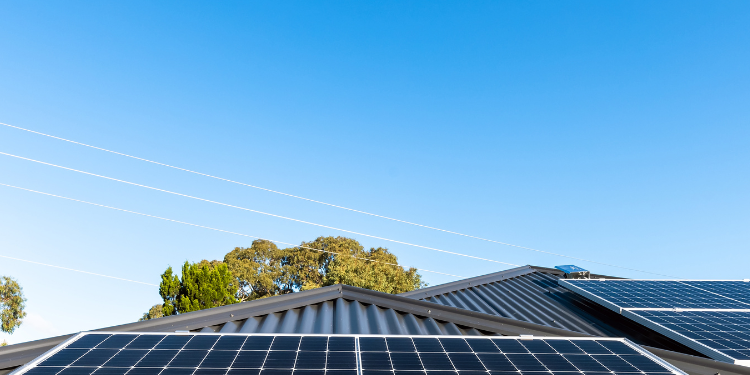
Solar Panel Cleaning Boosts Efficiency and Sunlight Intake
Last summer, a homeowner in the Spring area mentioned something that’s easy to miss at first: their solar production had been trending lower, even though the system was still under warranty. The panels were only a year or two old—so they assumed the inverter or wiring had to be the issue. When we inspected the array, the culprit was obvious: a thin film of pollen and dust mixed with Gulf Coast humidity, plus fine grime that had bonded to the glass over time. The panels weren’t “dirty enough” to look terrible from the curb, but they were dirty enough to matter.
Solar panels don’t need to be coated in thick mud to lose performance. Even a light layer of buildup can reduce light transmission and increase the temperature of the panel surface, which can impact output. The good news: with the right cleaning approach, you can restore sunlight intake without risking damage to the glass, frames, or seals.
Quick Answer
- Yes—cleaning can improve solar performance, especially when pollen, dust, and moisture-related grime build up.
- Soft, controlled cleaning is usually the safest approach for solar glass. High-pressure washing can force water into edges or degrade components.
- Plan cleaning around local conditions (pollen seasons, heavy rain patterns, and wind-driven dust).
- If you’re seeing noticeable drop-offs in production, a professional inspection plus panel cleaning is often the fastest, lowest-risk path to confirm what’s happening.
Why Solar Panels Lose Efficiency (Even When They “Look Fine”)
From the ground, solar panels often appear clean after rainfall. But rainfall in the Houston region rarely “scrubs” panels the way people expect. Here’s what we typically see when we clean arrays on Gulf Coast properties:
- Pollen and airborne dust settle and bond to the glass, especially during high pollen months.
- Humidity + organic growth can create a hazy film. It’s not always green algae on panels—it can be a mixed biofilm that dulls the surface.
- Hard water spotting becomes more common when runoff dries and leaves mineral residue.
- Shade from nearby trees can lead to uneven buildup patterns, which can cause localized performance drops.
A firsthand contractor observation
When we clean solar panels, the difference is often visible in the “before” condition around the edges and in strip-like patterns where airflow and moisture tend to concentrate. Those areas typically correlate with where production is lower on monitoring charts. In other words: the array can be partially impaired without looking dramatically dirty.
Cleaning Approach Matters: Solar Glass vs. Typical Pressure Washing
Many homeowners assume panel cleaning works like driveway cleaning. It doesn’t.
Pressure washers can be risky because solar systems are engineered with seals and tolerances designed for weather exposure—not direct water jets. A strong jet can:
- drive moisture into micro-gaps at panel edges or mounts,
- stress fragile components (especially on older installs),
- scratch glass with abrasive debris if the surface isn’t pre-rinsed properly.
Instead, professional solar panel cleaning typically focuses on:
- gentle rinse-down to remove loose grit,
- controlled soft washing methods (when appropriate) that avoid aggressive chemicals,
- deionized or purified water to reduce mineral spots,
- careful drying strategies when needed (often not with the “blast and pray” approach people associate with power washing).
If your exterior surfaces around the array are also due for service, it’s smart to coordinate the work. For example, homeowners sometimes schedule broader residential home washing services and solar cleaning together so algae, pollen residue, and grime don’t keep re-depositing onto “freshly cleaned” panel surfaces.
What Property Owners Often Overlook
Most solar performance issues don’t come from the solar panels “failing.” They come from maintenance gaps. Here are the common ones we see around Spring and the greater Houston area:
1. Waiting for obvious grime
By the time buildup is easy to see, it may have already reduced output for weeks or months.
2. Using household cleaners
Vinegar, ammonia, and abrasive wipes can leave residues or streaks. Residues can attract more dirt later, creating a cycle.
3. Cleaning too aggressively
Scrubbing with rough pads or using high-pressure nozzles can create microscopic haze on the glass—reducing performance even after “cleaning.”
4. Ignoring monitoring trends
If your system produces less during comparable weather patterns, cleaning may be the simplest variable to test first.
Signs Your Panels Need Cleaning
You don’t need a ladder and a flashlight to know when cleaning helps. Look for these signals:
- Production dips that don’t match weather changes
- Visible hazing or “rainbow” streaks that appear after dry spells
- Uneven panel appearance (some panels look clearer than others)
- Higher operating temperatures than normal (on some monitoring dashboards)
- Nearby dust sources like roads under construction, active landscaping, or frequent vehicle traffic
A realistic example we’ve seen: a small commercial property with rooftop solar had strong winter output, then gradually declined in spring. The panels weren’t heavily stained—just coated with a fine film consistent with pollen and dust. After professional cleaning, output stabilized and returned closer to expected production levels for that time of year.
Maintenance & Prevention Checklist (Practical and Low-Fuss)
Solar panels are part of a home’s overall exterior environment. Keeping the surrounding surfaces maintained reduces the amount of debris that settles on the system.
Solar-friendly prevention checklist
- Check at least seasonally (more often if you have nearby trees or frequent dust)
- Inspect after major pollen surges or windy events
- Coordinate exterior cleaning so grime doesn’t keep migrating toward the roof and array
- Keep gutters and roof runoff working properly to reduce streaking and mineral residue on rooflines
- Avoid DIY “pressure washing” on the panel glass and frames
If roof and siding grime are already building up, it may be time to schedule roof and exterior cleaning as part of the same maintenance plan. For instance, many homeowners pair solar cleaning with roof maintenance like roof cleaning to address algae and organic buildup that can contribute to recurring staining around the array.
Surface protection recommendation
After cleaning, avoid harsh re-cleaning attempts. The best “protection” for panels is actually consistent, gentle maintenance. If your roof or nearby surfaces are treated with safe exterior methods, it reduces the frequency and intensity of soiling the panels must endure.
Soft Washing vs. Pressure Washing (Where Solar Fits)
Below is a simple way to think about it.
| Method | Typical Use | Solar Panel Safety | What We Prefer |
|---|---|---|---|
| Pressure washing | Driveways, concrete, some masonry | Often risky for panels and mounts | Pre-rinse and gentle methods only |
| Soft washing | Algae/mildew control, exterior surfaces | Generally safer when used correctly | Gentle, controlled cleaning to avoid residue |
| Purified water rinsing | Finishing step to reduce spots | Safe and common | Deionized/purified rinse when needed |
For solar panels specifically, the goal is light soil removal without surface abrasion. That’s why professional solar cleaning methods focus on controlled rinsing and minimal mechanical force.
If you’re also dealing with siding and brick buildup, consider professional pressure washing services only where it’s appropriate—like hard surfaces designed to handle mechanical cleaning—while using safer techniques around sensitive areas.
Why Spring and Houston-Area Conditions Make Cleaning More Important
In Spring, the combination of high humidity, pollen, and frequent rain cycles creates a “sticky” environment for soiling. Rain can spread fine dust across panels, then dry unevenly and leave residue behind. Meanwhile, warm temperatures encourage biological film buildup on nearby roof surfaces, which can also contribute to runoff contamination patterns.
We commonly see:
- Pollen fallout that builds up quickly after windy or dry periods
- Mineral spotting from runoff that dries on glass
- Organic residue that returns faster if roof and gutters aren’t maintained
Cleaning isn’t just about looks—it’s about keeping the system efficient in a climate that accelerates buildup.
Common Mistakes That Shorten Surface Lifespan
Here’s where people get into trouble, even when their intentions are good:
1. Using too much pressure
It’s not only about safety—too-aggressive cleaning can leave micro-scratches or stress seals.
2. Cleaning without pre-rinsing
If you rub debris into the glass dry, you can grind grit across the surface.
3. Overusing chemicals
Some cleaners leave films that attract more dirt. Others can impact rubber components or create streaking.
4. Ignoring surrounding exterior buildup
If gutters, roof, and nearby surfaces keep producing runoff and dust, the panels will need cleaning again sooner than expected.
5. Skipping aftercare checks
A professional approach includes confirming that the cleaned area doesn’t have leftover residue or streaking that could affect performance.
What Actually Protects Exterior Surfaces Long-Term
For solar, protection isn’t a single product—it’s a process. The most effective long-term strategy is combining:
- gentle cleaning methods that don’t damage glass or mounts,
- purified water rinses to reduce mineral residue,
- coordinated exterior maintenance so debris doesn’t keep migrating onto the array,
- and realistic cleaning intervals based on local conditions.
If your property also has sidewalks, walkways, or entry areas that are collecting grime and organic growth, addressing those surfaces can improve overall cleanliness while reducing the “dirt cycle.” For example, homeowners often schedule sidewalk cleaning support around the same timeframe to make the entire property look maintained—not just the roof.
Our Experience Maintaining Gulf Coast Properties
On Gulf Coast properties, we’ve learned that solar performance is often influenced by more than the panels themselves. When we inspect arrays, we frequently find contributing factors like:
- roof staining and organic growth near mounting points,
- gutter overflow during storms that leaves streaking and debris patterns,
- surrounding dust sources from landscaping or nearby traffic,
- and inconsistent cleaning intervals that allow thin films to build up undetected.
That’s why we treat solar cleaning as part of a broader exterior maintenance plan. When rooflines and exterior surfaces are managed correctly, solar panels stay clearer longer—meaning fewer “chasing production drops” moments later.
If you’d like a dedicated solar service, we also provide solar panel cleaning designed for performance-focused results with safe, controlled methods.
References & Context (Why Cleaning Can Matter)
- The U.S. Department of Energy has documented that soiling can reduce photovoltaic performance and that cleaning effectiveness depends on local environmental factors (DOE PV performance resources).
- The National Renewable Energy Laboratory (NREL) has published research on PV soiling and the importance of understanding local dust and climate conditions (NREL PV soiling studies).
- Industry monitoring and field studies consistently show that soiling losses vary widely by region and season, which is why a “one-size-fits-all” cleaning schedule rarely works (NREL and DOE materials summarize these variations).
(Those sources don’t replace a site inspection, but they support the core point: soiling is real, measurable, and environment-driven.)
Spring or Houston-Area Relevance: A Quick Scenario
A local business owner managing a small strip-mall rooftop solar system noticed customers complaining about “dusty” storefronts after spring wind events. Internally, the monitoring dashboard also showed a slower ramp in energy output compared to prior seasons. The panels weren’t visibly caked—just dulled. We cleaned the array using a controlled approach and handled nearby exterior buildup so runoff and airborne debris had less opportunity to re-soil quickly. Within the next production window, the output trend stabilized closer to expected levels for that time of year.
FAQ
How often should solar panels be cleaned in Spring, TX?
For many Spring-area homes and businesses, a seasonal schedule works well—often spring and fall—with extra attention after pollen-heavy periods or windy dust events. If your property has heavy tree cover, nearby construction, or frequent dust exposure, you may benefit from more frequent cleaning. The best interval depends on your local conditions and what your monitoring data shows.
Is soft washing safer than pressure washing for solar panels?
Generally, yes—soft washing and controlled cleaning are safer for solar panels than high-pressure methods. Pressure washing can force water into edges or mounts and may risk scratching or stressing components. Professionals typically use gentle rinsing and appropriate cleaning techniques designed specifically for PV glass.
Will cleaning my panels also help with roof streaks and overall curb appeal?
Often it helps, but it’s not the same job. Solar cleaning focuses on the glass surface and performance. If roof streaking, algae, or gutter staining are contributing to runoff patterns, you may need roof and exterior cleaning too. Many properties benefit from coordinating roof cleaning and exterior cleaning so you address both performance and appearance.
Can I just wipe panels with a cloth?
Wiping can leave streaks and can scratch the glass if grit is present. If you do it at all, only use clean, soft tools and proper rinsing first. For consistent results and to avoid mistakes, professional cleaning is usually the safer route—especially for multi-story roofs.
Ready to Protect or Improve Your Property’s Appearance?
If your solar production has slipped or you’ve noticed a hazy film that won’t rinse away, professional solar panel cleaning can be a smart, low-risk step—especially in the humidity-and-pollen conditions around Spring, TX. Pairing it with the right exterior maintenance often keeps everything cleaner longer.
About Jade Exterior Services
Jade Exterior Services provides pressure washing, exterior cleaning, roof cleaning, solar panel cleaning, gutter cleaning, and parking lot maintenance services throughout Spring, TX and the greater Houston area. The company focuses on safe cleaning methods, long-term surface protection, curb appeal improvement, and practical maintenance planning for homeowners and businesses.