
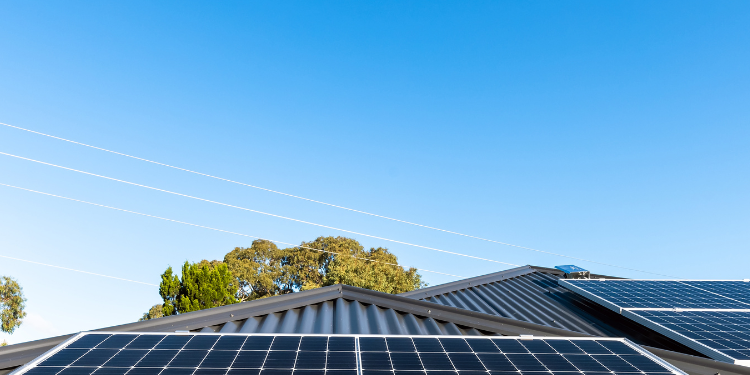
Across the country, dirty solar panels are quietly stealing power from homeowners, with studies showing that accumulated dust, pollen, and grime can reduce solar efficiency by 15–25% or more. In areas with high pollen counts, frequent dust, and humid conditions, that loss can climb even higher. For a homeowner in Spring, TX, that doesn’t just mean a slightly less “green” home – it can mean paying more to the utility company every month while your solar investment underperforms on your own roof.
Most people assume that rain will rinse solar panels clean, but the reality is more complicated. Rain can move loose dust, but it tends to leave behind streaks, mineral deposits, and a thin film of grime that slowly builds up over time. Add in Gulf Coast humidity, pine and oak pollen, bird droppings, and even residue from nearby roadways, and you have a layer of contamination that light has to fight through before it ever reaches the solar cells. If your panels were designed and installed to produce a certain amount of power, that dirt layer is like putting sunglasses on your system all day long.
The good news is that targeted, professional solar panel cleaning restores that lost efficiency and protects your investment for the long term. Jade Exterior Services, serving homeowners and businesses in Spring, TX, focuses on safe, methodical cleaning techniques that clear away buildup without harming delicate solar surfaces. Understanding why cleaning matters, how often to do it, and the safest way to get it done can dramatically improve your system’s performance and extend its lifespan.
Why Clean Solar Panels Matter
Solar panels convert sunlight into electricity, and anything that blocks or diffuses that light reduces their output. Even a thin, almost invisible layer of dust can scatter light and lower the amount that reaches the photovoltaic cells. On a bright Texas day, that lost light adds up to kilowatt-hours you never see on your meter. Over weeks and months, that performance drop can neutralize a portion of the savings you expected when you installed solar, turning what should be a strong financial decision into a weaker one.
In Spring, TX, the environment is especially tough on solar arrays. Spring and early summer bring heavy pollen that sticks to glass surfaces, while humid air helps that pollen harden into a sticky film. Occasional storms can splash mud or debris onto roof-mounted panels, and nearby trees contribute leaves, sap, and organic residue. Even if your panels look “mostly clean” from the ground, localized buildup on certain sections can cause uneven shading that disrupts overall system performance.
Professional cleaning is about more than aesthetics; it’s about restoring the conditions your solar system was designed to operate under. Clean panels capture more sunlight, perform closer to their rated capacity, and can reveal the true health of the system. When layers of dirt are removed, it becomes easier to spot issues like micro-cracks, hot spots, or damaged seals that might otherwise go unnoticed beneath the grime. In this way, regular cleaning by a company like Jade Exterior Services supports both immediate efficiency and long-term system reliability.
What Really Builds Up On Panels
Homeowners are often surprised by how many different contaminants end up on their solar panels. In a place like Spring, TX, pollen is one of the biggest culprits, coating panels in a fine yellow or green dust during peak seasons. This pollen layer bonds with moisture, forming a hazy film that clings to the glass. Bird droppings can create dense, opaque spots that block light completely in those areas, and when left in place, they can harden and become more difficult to remove without the right tools and methods.
Dust from nearby construction, roadways, and everyday life also plays a role. Fine particles settle on panels and, over time, can create a dull, cloudy appearance that noticeably reduces clarity. In some neighborhoods, tree sap or organic debris like leaves and twigs contribute to sticky patches that trap even more dust. When these materials bake under the Texas sun, they can become surprisingly stubborn, requiring more than just a quick rinse to remove effectively.
Another invisible factor is mineral residue from sprinkler overspray or hard rainwater. If your panels are near lawn irrigation systems, those tiny droplets can dry on the glass, leaving behind mineral spots and streaks. These mineral deposits can be particularly problematic, as they don’t simply wash away with the next rain. Left untreated, they can cause permanent etching or clouding, which is why Jade Exterior Services uses purified water and appropriate cleaning methods designed to avoid adding new residue while removing the old.
How Professional Cleaning Boosts Efficiency
Every solar system is designed with a specific performance expectation, based on panel capacity, orientation, and average sun exposure. Dirt and debris throw those calculations off. By thoroughly cleaning the panel surfaces, professionals help your system get back as close as possible to its intended output. Many homeowners notice that their monitoring apps or inverter readouts show an immediate bump in daily production after a proper cleaning, especially if the panels hadn’t been serviced in a year or more.
Professional cleaning also ensures that panels are cleaned evenly and safely, which matters for efficiency. When only parts of a panel are dirty, those shaded cells can heat up and operate less efficiently, a phenomenon sometimes called “hot spotting.” Over time, this can stress the panel and reduce its lifespan. By removing contaminants across the entire surface, Jade Exterior Services helps maintain more uniform performance and reduces the risk of localized overheating.
In addition, a professional team brings the right tools and techniques to the job. Rather than using harsh brushes or household cleaners that might scratch the glass or leave residues, they rely on soft, non-abrasive equipment and deionized or purified water that dries spot-free. This not only restores clarity but also creates a surface less likely to attract immediate re-soiling. The result is a more efficient system and a longer window of optimal performance between cleanings.
Safe Cleaning Methods On Texas Roofs
Climbing onto a roof in Spring, TX heat with a bucket and a hose may sound straightforward, but it can be risky for both you and your solar panels. Panels are wired into a high-voltage system, and the glass surface can be extremely slippery when wet. One misstep can lead to personal injury or damage to the array. Professional cleaners are trained to navigate roofs safely with proper harnesses, ladders, and access techniques, reducing the risk of accidents while working around your equipment.
From a technical standpoint, the wrong cleaning method can void warranties or cause micro-damage. High-pressure washing, for example, can force water into panel frames, wiring, and junction boxes, potentially leading to corrosion or electrical faults. Abrasive pads or stiff brushes can scratch the glass, permanently reducing light transmission and creating tiny grooves where dirt can accumulate faster. Jade Exterior Services understands these risks and uses low-pressure, controlled water flow combined with soft tools that are safe for solar glass and frames.
Another critical safety factor is the timing and conditions of cleaning. Cleaning panels in full sun using cold water can cause thermal stress, as hot glass suddenly cools in patches. This stress can contribute to micro-cracks in the glass surface over time. Professionals typically choose cooler parts of the day, such as early morning, to minimize this risk. They also pay attention to electrical components, ensuring that connectors, junction boxes, and mounting hardware are not sprayed directly or disturbed unnecessarily during the cleaning process.
How Often Should Panels Be Cleaned?
The ideal cleaning schedule depends on your local environment, panel tilt, and how close you are to trees, busy roads, or construction. In relatively clean, dry climates, some solar owners may get by with one thorough cleaning per year. However, in Spring, TX, conditions are more demanding. Pollen, humidity, and periodic storms all contribute to faster buildup, making twice-yearly cleanings a smart baseline for most homeowners looking to maintain maximum efficiency.
For properties near heavily wooded areas or with lots of overhanging branches, more frequent service may be beneficial. Shade not only reduces power output directly but also encourages organic growth like algae or mildew on and around the panels. If your system monitoring shows a noticeable dip in production that doesn’t match weather patterns or seasons, that can be a strong indicator that it’s time for another cleaning. Keeping an eye on your energy data is one of the simplest ways to fine-tune your cleaning schedule.
Commercial systems and larger residential arrays often benefit from a more structured maintenance plan. Jade Exterior Services can help Spring, TX property owners establish a routine that aligns with local conditions and usage patterns. The goal is to strike a balance: cleaning often enough to keep efficiency high and protect the panels, but not so often that you’re over-servicing them. A consistent, data-informed schedule tends to deliver the best long-term return on your solar investment.
DIY Vs. Hiring A Professional
It may be tempting to treat solar panel cleaning as a simple weekend project, especially if you are comfortable with basic home maintenance. However, what looks easy from the ground can be more complex once you’re on the roof. Sloped surfaces, hidden wiring, and the fragility of the panels themselves all add layers of difficulty. A slip of the foot or an accidental bump can damage panels that cost far more to replace than the price of a professional cleaning service.
DIY cleaning also runs the risk of using the wrong products. Household glass cleaners, abrasive pads, or unfiltered hose water can leave streaks, residues, or scratches that actually reduce efficiency instead of improving it. Some chemicals may react with panel coatings or frames, and high-pressure nozzles from a standard pressure washer can cause water intrusion or physical damage. The safest approach is to use methods specifically designed for solar surfaces, something Jade Exterior Services brings to every job.
When you hire a professional in Spring, TX, you’re also paying for trained eyes on your system. While they clean, technicians can often spot loose wiring, cracked glass, failing seals, or mounting issues that a homeowner might miss. Catching these problems early can prevent bigger failures down the line. For many solar owners, the peace of mind that comes from a thorough, professional service is worth as much as the immediate boost in power output.
Protecting Your Investment In Spring, TX
Solar panels are a long-term investment, typically expected to perform for 20–25 years or more. During that time, small decisions about maintenance can have a big impact on overall returns. Skipping regular cleanings may not cause an immediate breakdown, but the slow, steady loss of efficiency adds up financially. When you consider the thousands of kilowatt-hours your system is supposed to produce over its lifetime, even a 10–15% reduction from dirt and grime represents a significant loss in potential savings.
In the Spring, TX climate, seasonal extremes make proactive care especially important. Heavy rains followed by intense sun, pollen waves, and the occasional tropical system all cycle through each year. Treating solar cleaning as part of your broader exterior maintenance – alongside roof care, gutter cleaning, and exterior washing – helps keep your property functioning as a whole. Companies that are already skilled in exterior services, like Jade Exterior Services, are well-positioned to integrate solar panel cleaning into a comprehensive care plan.
Many homeowners find that pairing panel cleaning with other services, such as roof soft washing or exterior surface care, is both efficient and cost-effective. When one crew can safely access your roof, inspect conditions, and clean multiple surfaces in a single visit, it reduces disruption and ensures that all components of your home’s exterior are working together. For related exterior cleaning needs, Jade Exterior Services also provides Pressure Washing, which can complement solar maintenance by keeping surrounding surfaces clean and reducing airborne debris.
Frequently Asked Questions
How much efficiency can I gain from cleaning my solar panels? The exact gain depends on how dirty your panels are and local conditions, but many studies and field reports show improvements ranging from 10–25% after a thorough cleaning. In areas like Spring, TX with high pollen and humidity, panels that haven’t been cleaned in a year or more can see particularly noticeable boosts. Regular cleaning helps maintain that higher performance instead of allowing output to drift downward over time.
Can I just rely on rain to clean my solar panels? Rain helps remove loose dust, but it rarely provides a complete cleaning. It can leave behind mineral spots, streaks, and a thin residue, especially if the rainwater is hard or if it mixes with pollen and pollution in the air. Over time, this residue builds up and acts like a filter over your panels. Professional cleaning uses purified water and gentle tools to remove that buildup in a way rain simply can’t replicate.
Is pressure washing safe for solar panels? High-pressure washing is not recommended for solar panels. The force of the water can damage seals, force moisture into electrical components, or even crack glass if used too aggressively. It can also void manufacturer warranties. Instead, panels should be cleaned with low-pressure water, soft brushes or pads, and techniques specifically designed for delicate solar surfaces, which is the approach used by Jade Exterior Services.
How often should I schedule solar panel cleaning in Spring, TX? For most homeowners in Spring, TX, cleaning once or twice a year is a good starting point. If your property is surrounded by trees, near dusty roads, or exposed to heavy pollen, you may benefit from more frequent service. Monitoring your system’s production through your inverter or app can help you decide; if you see a gradual decline in output that doesn’t match weather changes, it may be time for another cleaning.
Can dirty solar panels cause long-term damage? Dirt itself doesn’t usually damage panels immediately, but the conditions it creates can contribute to long-term problems. Localized buildup can cause uneven heating, which stresses certain cells more than others. Sticky contaminants and mineral deposits can be harder to remove later and may contribute to etching or staining. By keeping panels clean, you reduce these risks and help your system run cooler and more consistently over its lifetime.