

Studies on exterior maintenance show that regular pressure washing can extend the life of siding, concrete, and roofing materials by several years, yet most homeowners still use too much pressure and the wrong tips, causing hidden damage with every wash. The difference between a surface that looks clean for a few weeks and one that stays bright for an entire season often comes down to technique, not just the power of the machine. In a climate like Spring, TX, where humidity, pollen, and algae are constant challenges, mastering proper pressure washing methods is less about vanity and more about protecting your largest investment: your property.
Pressure washing is not simply blasting water at whatever is dirty. It is a controlled cleaning process that balances pressure, water volume, detergent chemistry, and technique. When Jade Exterior Services works on driveways, roofs, and siding around Spring, TX, the team is not just squeezing a trigger; they are constantly adjusting distance, angle, and detergents to match each surface. That is why the best results look even, streak-free, and last much longer. Understanding these methods can help you recognize quality work, avoid damage, and decide when a job is safe for DIY and when it is time to call a professional.
From the outside, pressure washers all look similar: a pump, a hose, and a wand. But what actually determines the outcome is how the operator uses that tool. The right tip, the right motion, the right dwell time for detergents, and the right rinse strategy all affect how clean, safe, and long-lasting your results will be. If you want your driveway in Spring, TX to look freshly poured instead of patchy, or your siding to stay bright without stripping paint or etching, you need to think like a pro. The following techniques, drawn from what Jade Exterior Services uses every day, will help you understand what “best results” really means in pressure washing.
Know Your Surfaces
The starting point for any successful pressure washing job is understanding exactly what you are cleaning. Concrete, for example, is often thought of as indestructible, but residential driveways in Spring, TX are usually made from relatively soft concrete that can be etched by high pressure. Once those lines and scars are cut into the surface, they cannot be washed away; they are permanent. On the other end of the spectrum, vinyl siding can flex and trap water behind it if hit from the wrong angle, leading to moisture issues inside the wall. A professional like Jade Exterior Services evaluates hardness, coatings, age, and existing damage before deciding how aggressive the cleaning can be.
Different materials also hold contaminants in different ways. Porous materials like brick and concrete soak in oil, tannins from leaves, algae, and rust, so surface-level spraying may brighten them temporarily while leaving deep stains untouched. Painted wood, however, tends to hold dirt and mildew on the surface layer of the paint film. That means concrete often benefits from specific detergents and a longer dwell time, while painted siding needs gentler solutions and lower pressure to avoid stripping the finish. Tailoring your approach to the material is crucial for both cleanliness and longevity.
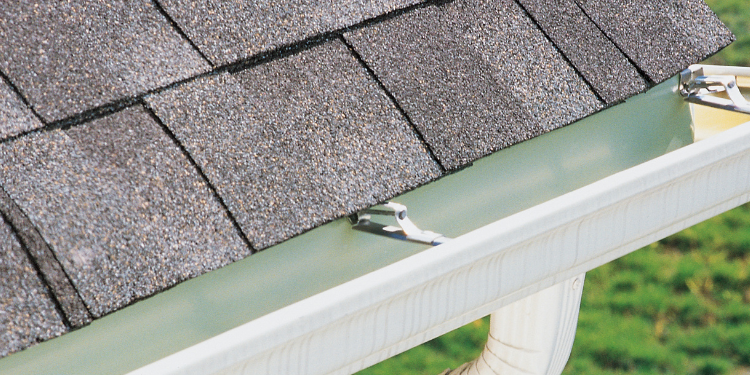
Climate adds another layer to this decision-making. In Spring, TX, high humidity and warm temperatures create perfect conditions for organic growth: mold, algae, mildew, and even black streaks on roofs. These organisms can root into porous surfaces and feed on the materials themselves, especially on asphalt shingles. Blasting them with high pressure can tear away granules, damage shingles, and still leave living roots behind. Correct technique means choosing soft washing for roofs and many vertical surfaces, letting chemistry do the work instead of brute force. Understanding what you are cleaning and how it behaves in the local environment is the first step to getting the best possible results.
Master Pressure, Flow, And Tips
Many people assume that more pressure always equals better cleaning, but that mindset causes more property damage than almost anything else in pressure washing. A powerful machine running at 3,000 PSI with the wrong tip can carve lines into concrete, strip paint, or shatter mortar. Professionals focus just as much on GPM (gallons per minute) and nozzle selection as they do on PSI. Higher water volume can actually clean more efficiently at lower pressures, lifting dirt and rinsing it away without cutting into the surface. Jade Exterior Services often uses lower pressure but more flow to safely clean sensitive areas around homes in Spring, TX.
Nozzle tips are another critical factor. A red 0-degree tip concentrates all the water into a pinpoint; it is rarely appropriate for residential surfaces because it acts like a water chisel. Yellow 15-degree and green 25-degree tips spread the pressure into a fan pattern, making them better suited to concrete and hard surfaces when used correctly. For siding and vehicles, a white 40-degree tip or even a black soap nozzle is typically safer. The wider the angle, the gentler the impact, but the closer you hold it, the more intense the cleaning effect. Adjusting both tip and distance lets you dial in just enough cleaning power without going overboard.
Technique with the wand matters as much as the hardware. Keeping the nozzle moving at a steady pace prevents streaks and tiger stripes, especially on concrete. Overlapping passes by about 50 percent ensures even coverage and avoids lighter and darker bands. Maintaining a consistent distance from the surface, usually 12–18 inches for most exterior cleaning, helps keep the results uniform. Professionals develop a kind of rhythm with the wand, moving methodically instead of randomly. That is why a professionally washed driveway or patio has an even, consistent look instead of patchy areas and visible “swirl marks” from erratic movements.
Use Detergents And Soft Washing
One of the biggest differences between professional and DIY results is the effective use of detergents and soft washing techniques. Water alone, even at high pressure, is not always enough to break down organic growth, greasy residue, or deeply embedded grime. Detergents are designed to loosen, emulsify, or kill specific contaminants so they can be rinsed away gently. In Spring, TX, where algae, mold, and mildew thrive on shaded siding and north-facing walls, using an appropriate detergent can mean the difference between a surface that looks clean for a week and one that stays clean for months.
Soft washing is a method that relies on low pressure combined with specialized cleaning solutions. Instead of using high pressure to physically blast away growth, the solution is applied at gentle pressure, allowed to dwell for a set time, and then rinsed off. This is especially important for roofs, older siding, and painted or stained wood. High pressure on a roof can void warranties and cause leaks, while soft washing removes algae and black streaks without damaging shingles. Jade Exterior Services frequently uses soft washing to protect roofs and delicate exterior materials in Spring, TX, ensuring both cleanliness and structural integrity.
Dwell time is a concept that many homeowners overlook. Detergents need time to work; spraying and immediately rinsing often wastes product and yields mediocre results. A professional will apply the solution evenly, allow it to sit for several minutes (adjusting for temperature and surface type), and keep it from drying out if needed. Once the contaminants have broken down or released from the surface, a low to moderate pressure rinse is often all that is necessary. This approach not only cleans more thoroughly but also reduces the risk of etching, furring wood, or forcing water into gaps where it does not belong.
Control Your Cleaning Pattern
Randomly waving a pressure washing wand around is a recipe for uneven results. To achieve a consistent, professional finish, you need a deliberate cleaning pattern. For large flat areas like driveways, parking pads, and sidewalks, working in sections is key. Start at one edge and move in straight, overlapping lines, similar to mowing a lawn. Overlap each pass by about half the spray width so you do not leave faint stripes of unwashed surface between passes. This systematic approach is how Jade Exterior Services keeps big concrete areas in Spring, TX looking uniformly clean instead of streaky.
On vertical surfaces such as siding or fences, begin at the bottom and work your way up with detergent application, then rinse from the top down. Applying detergent from the bottom up helps prevent streaks and allows the solution to cling more evenly instead of running down too quickly. When it is time to rinse, starting at the top and working downward ensures that dirty water and loosened debris flow over already-cleaned areas only once. It also reduces the risk of leaving drip marks or clean “cut lines” where you stopped and restarted.
Edge control is another important part of technique. Around windows, door frames, light fixtures, and landscaping, you should reduce pressure and adjust your angle so you are not forcing water behind seals or into building gaps. Spraying directly upward under siding laps or into soffit vents can drive moisture into the structure. Instead, keep the nozzle angle slightly downward or perpendicular to the surface and maintain a reasonable distance. Professionals are constantly aware of where that water is going, not just what it is hitting. This attention to pattern and direction makes a big difference in both the look of the finished job and the long-term health of the property.
Protect Landscaping And The Environment
Effective pressure washing is not just about the surface you are cleaning; it is also about everything around it. Plants, lawns, and flowerbeds can be sensitive to detergents and high-pressure spray. Before starting, it is wise to pre-wet nearby vegetation so leaves and soil are less likely to absorb cleaning solutions. Covering particularly delicate plants or newly installed landscaping can prevent leaf burn or chemical stress. Jade Exterior Services takes these steps routinely when working on homes in Spring, TX, because protecting curb appeal includes preserving the greenery, not just brightening the concrete.
Runoff management is another critical factor, especially when detergents or removed contaminants could enter storm drains. Oils, paint flakes, or chemical residues should not be allowed to wash directly into the street. Professional companies may use water reclamation techniques, containment strategies, or directional rinsing to keep pollutants where they can be safely collected or diluted. On some commercial jobs, or when removing certain coatings and markings, reclaiming and properly disposing of water is part of staying compliant with local regulations. For specialized work, services like Pavement Marking Removal show how advanced water control and reclamation methods can be integrated into exterior cleaning.
Using the right detergents also affects environmental impact. Biodegradable cleaners designed for exterior use break down more safely than harsh, solvent-based products. Following manufacturer dilution instructions and avoiding over-application help minimize what ends up in the soil or waterways. In a community like Spring, TX, with frequent rainfall and interconnected drainage, being mindful of what you are washing away is more than just good practice; it is part of responsible property ownership. Professionals are trained to balance cleaning power with environmental care, ensuring that “best results” do not come at the cost of the surrounding ecosystem.
Know When To Call Professionals
There are certainly smaller tasks that many homeowners can handle with a consumer-grade pressure washer, such as lightly soiled patios or basic patio furniture cleaning. However, when the job involves high elevations, delicate materials, heavy staining, or large square footage, the risk of DIY mistakes increases rapidly. Roof cleaning, multi-story siding, and heavily stained driveways are common examples around Spring, TX where professional help from Jade Exterior Services can deliver better, safer results. The combination of ladders, wet surfaces, and high-pressure water also introduces significant safety concerns that should not be underestimated.
Professionals bring more than just stronger equipment. They bring trained judgment. They can quickly assess whether a stain is organic, oil-based, rust, or mineral, and then choose the correct treatment. They know when high pressure is appropriate and when soft washing is the only safe option. They also understand how local weather patterns in Spring, TX affect scheduling; for example, avoiding high winds that can blow overspray onto cars or neighboring properties, or timing roof washes to allow adequate drying. This experience streamlines the process and often prevents costly trial-and-error mistakes.
In many cases, hiring a professional is actually more economical than attempting a complex job yourself. Renting equipment, buying multiple detergents, and investing hours into learning technique can add up, especially if the results are only average or, worse, if damage occurs. A misjudged nozzle on delicate stucco, for instance, can lead to repair bills that far exceed the cost of a professional cleaning. When you want the best possible appearance, long-lasting results, and peace of mind, partnering with an experienced company like Jade Exterior Services is often the most efficient route.
Frequently Asked Questions
How often should I pressure wash my home in Spring, TX? In the Spring, TX area, most homes benefit from exterior washing every 12 to 18 months. The exact frequency depends on shade, tree coverage, and proximity to busy roads. Homes under large trees or near retention ponds often accumulate algae, mildew, and pollen more quickly and may need cleaning annually. Driveways and sidewalks may require attention more often if they experience heavy traffic, frequent leaf litter, or irrigation overspray. Regular maintenance prevents deep staining and organic growth from becoming entrenched, making each cleaning easier and more effective.
Is high pressure safe for my roof and siding? High pressure is rarely appropriate for roofs and should be used cautiously on siding. On asphalt shingle roofs, aggressive pressure can strip granules, shorten the roof’s life, and even cause leaks. The recommended method is soft washing, which uses low pressure combined with specific cleaning solutions to remove algae and stains safely. For siding, moderate to low pressure with the correct nozzle and angle is usually sufficient. A professional will adjust techniques based on whether the siding is vinyl, fiber cement, wood, or stucco, ensuring it is cleaned without being damaged or forcing water behind the surface.
Can pressure washing damage concrete or brick? Yes, concrete and brick can be damaged if washed with too much pressure or the wrong nozzle. Softer residential concrete is particularly vulnerable to etching, where the surface is scarred and permanently marked by overly aggressive cleaning. Brick and mortar joints can also be eroded if the wand is held too close or at a harsh angle. Using appropriate pressure settings, fan tips, and proper distance helps prevent this. Professionals also rely on detergents and sometimes surface cleaners to distribute pressure more evenly, reducing the risk of visible lines and damage.
What is the difference between pressure washing and soft washing? Pressure washing uses higher water pressure to physically dislodge dirt and debris, typically on harder surfaces like concrete, pavers, and some masonry. Soft washing, on the other hand, relies on low pressure combined with specialized cleaning solutions to break down organic growth and stains. Soft washing is ideal for roofs, siding, and delicate surfaces where high pressure could cause harm. Both methods can produce excellent results when used in the right context, and professionals often combine them on a single property, choosing the best approach for each material.
Why should I hire Jade Exterior Services instead of doing it myself? Hiring Jade Exterior Services means gaining access to professional-grade equipment, specialized detergents, and years of practical experience with Spring, TX properties and climate conditions. The team understands how to match pressure, tips, and cleaning solutions to each surface for maximum cleanliness with minimal risk. They also manage safety concerns, such as working at heights and handling powerful machines on wet surfaces. Beyond the technical skills, you save time and avoid the learning curve and potential mistakes that come with DIY efforts. The end result is a cleaner, brighter property and the confidence that the job was done safely and correctly.